
Iguana Tick
Amblyomma dissimile
This record describes Amblyomma dissimile (species). Recorded family: Ixodidae. Recorded order: Ixodida.
Identification and Appearance
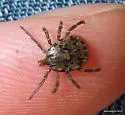
Classification
Habitat and Range
Geographic Range
s. FL, s. TX to S. Amer. - Map (Voltzit 2007)
Diet and Behavior
Diet: feeds preferentially on reptiles (Squamata), although amphibians (Anura) also seem to be important hosts. (Scofield et al. 2011)
Life History
a common ectoparasite of cold blooded animals and is an accidental ectoparasite of some wild mammals. (Schumaker and Barros 1994)
Additional species information
Species notes from the sources
Etymology: Amblyomma dissimile Koch, 1844
About Ticks: the wider group
Order-level background for Ixodida, the group containing Amblyomma dissimile. Species-specific details appear above.
Group overview
Ixodida (ticks) includes ~900 described species in two major families: hard ticks (Ixodidae, ~700 species) and soft ticks (Argasidae, ~200 species). Ticks can increase their body weight by 200-600× when engorged with blood.
Ecological role of the group
Ticks are obligate blood-feeding parasites at all life stages after hatching. A single female can lay 3,000-8,000 eggs. Ticks can transmit more different pathogens than any other arthropod group - including bacteria, viruses, and protozoa simultaneously.
Economic and practical significance of the group
Tick-borne diseases are the most common vector-borne illnesses in the U.S. - Lyme disease alone accounts for 82% of all tickborne disease reports (CDC). Annual cases more than doubled from 22,000 to 48,000 between 2004-2016. Tick-related economic losses in U.S. cattle alone exceed $3 billion annually.
Recorded sources for this group: CDC tick surveillance data, USDA veterinary entomology. Imported estimates may describe particular regions or reporting periods.
Photos of Iguana Tick (3)
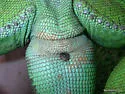
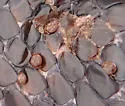
Photo credits: Contributed by Mike Quinn
Frequently Asked Questions About Iguana Tick
Where is Iguana Tick found?
Range: s. FL, s. TX to S. Amer. - Map (Voltzit 2007)
What does Iguana Tick eat?
The diet of the Iguana Tick includes feeds preferentially on reptiles (Squamata), although amphibians (Anura) also seem to be important hosts. (Scofield et al. 2011).
What is the life cycle of a Iguana Tick?
a common ectoparasite of cold blooded animals and is an accidental ectoparasite of some wild mammals. (Schumaker and Barros 1994)