
THE INSECTLIBRARY FIELD GUIDES
Cicada Killer WaspIdentification, facts & practical guidance
Cicada killers are large solitary wasps in Sphecius. Females provision underground nests with cicadas.
Compiled by the InsectLibrary Team · Updated · Editorial policy
Identification and lookalikes
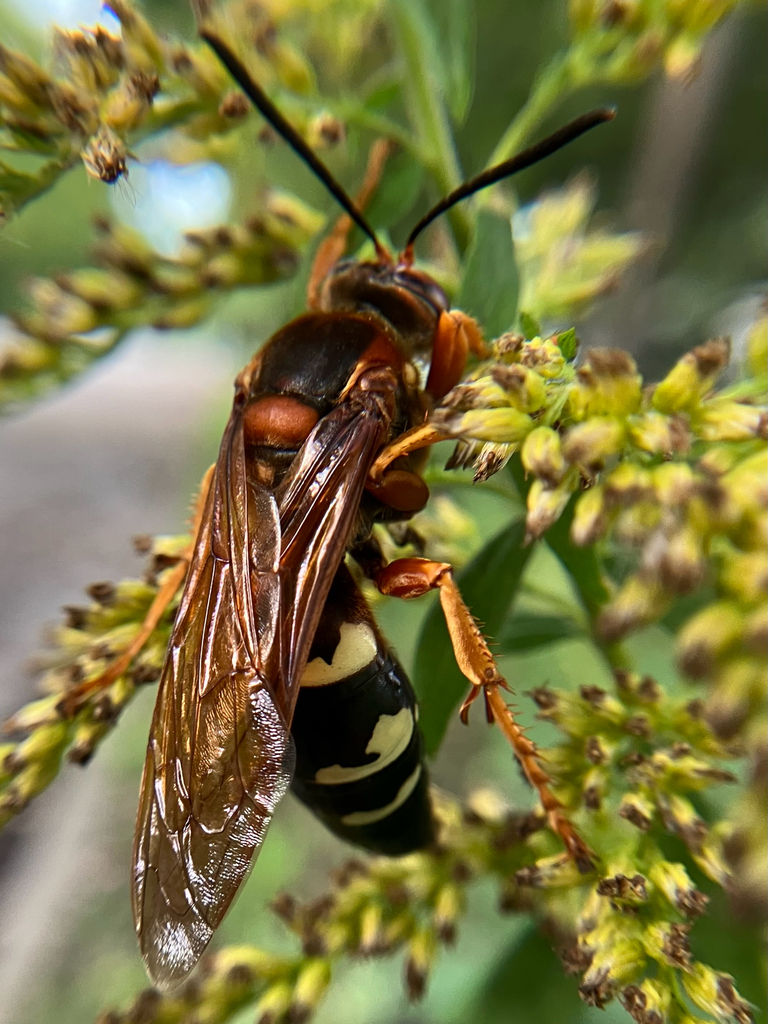
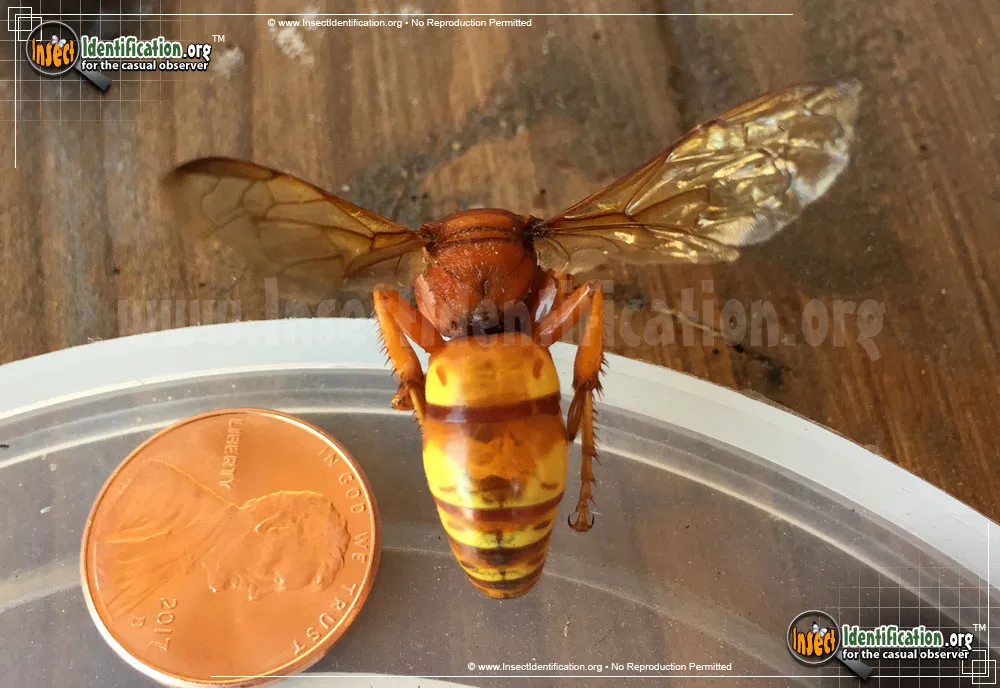
Look for a large wasp using a soil burrow, often carrying a cicada. Yellow-and-dark markings alone do not distinguish it from hornets or other wasps. Nest type and behavior are valuable clues.
Males, females and stings
Males may patrol nest areas but have no sting. Females can sting, especially if handled. Solitary nesting differs from the defensive colony behavior of social wasps.
What to do next
Observe from a distance and keep bare feet away from active nesting sites. Consider whether the location creates a real conflict before seeking management advice.
Cicada Killer Wasp: species profiles
Explore 4 species profiles covered by this guide, with recorded names and available photos.
Sources and further reading
- mdc.mo.gov - eastern cicada killer wasphttps://mdc.mo.gov/discover-nature/field-guide/eastern-cicada-killer-wasp
References support the subject discussed here; they do not certify every imported directory record. Regional sources describe their own locations. Read our source and correction policy.