
THE INSECTLIBRARY FIELD GUIDES
Black Widow SpiderIdentification, facts & practical guidance
Black widow refers to several Latrodectus species. This guide covers North American black widows, whose appearance depends on species, sex and age.
Compiled by the InsectLibrary Team · Updated · Editorial policy
Identification and lookalikes
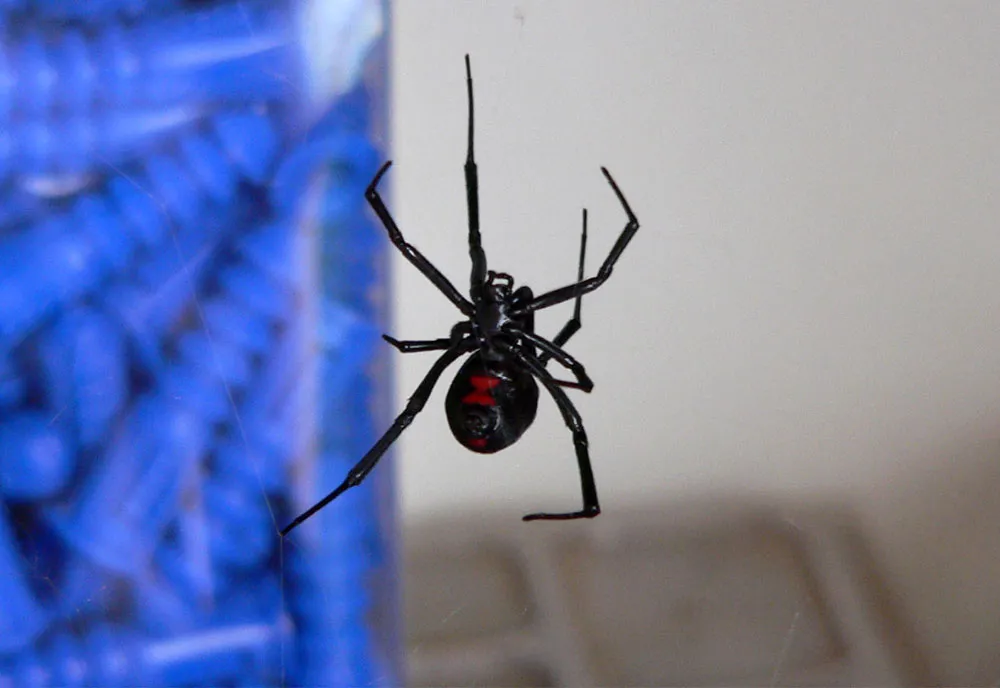
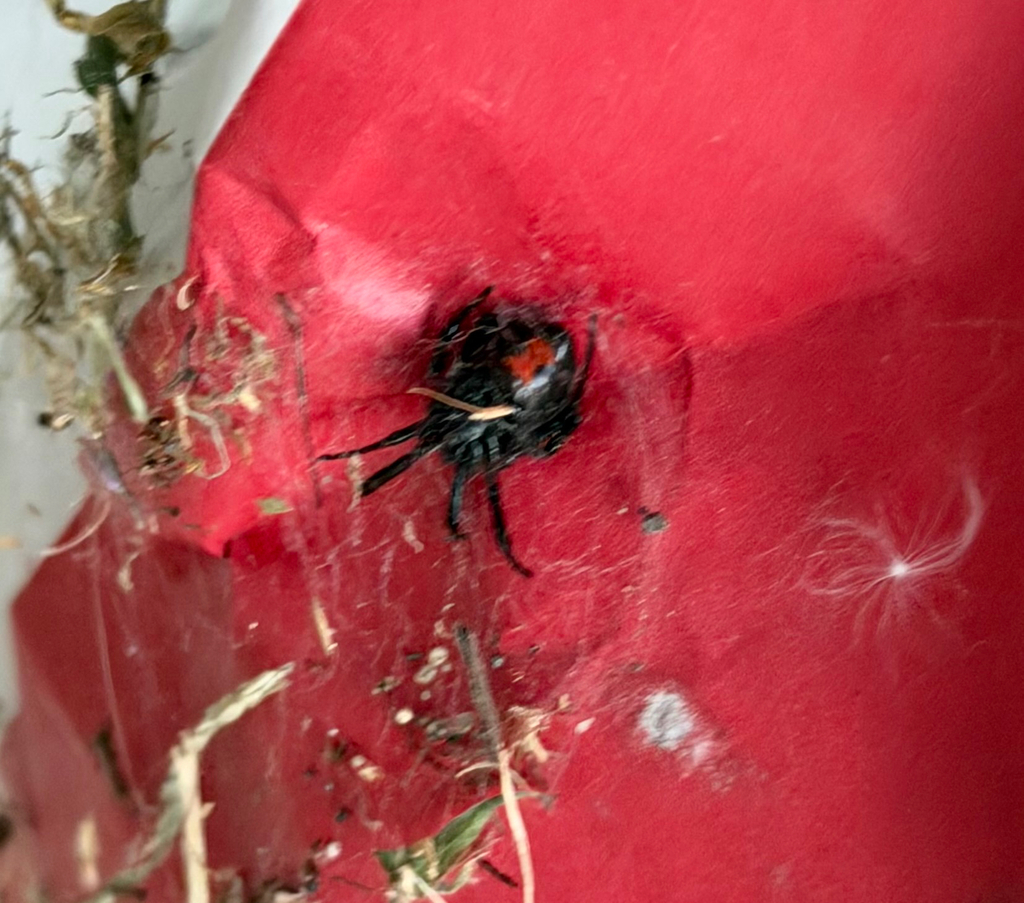
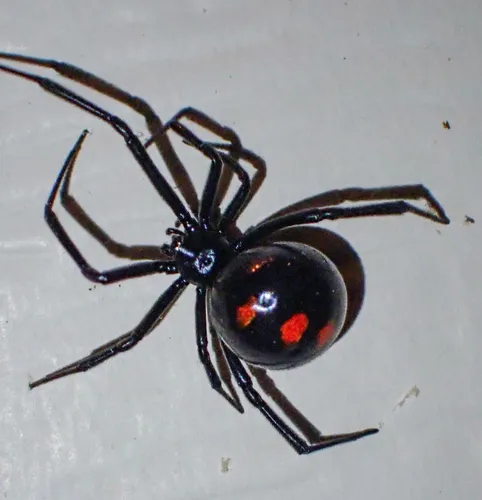
An adult female commonly has a glossy dark abdomen with red markings underneath. Males and juveniles can be lighter and patterned. Confirm the spider itself rather than assuming every dark cobweb spider is a widow.
Webs and hiding places
Look for irregular webs in protected, seldom-disturbed places. Wood stacks, stored objects and gaps around buildings can provide shelter. Geographic location helps distinguish western, southern and northern black widows.
What to do next
Keep hands out of concealed spaces and wear gloves when moving stored materials. A suspected black widow bite warrants prompt medical advice. Do not handle a spider to obtain a closer photograph.
Black Widow Spider: species profiles
Explore 3 species profiles covered by this guide, with recorded names and available photos.
Sources and further reading
- ipm.ucanr.edu - widow spiders and their relativeshttps://ipm.ucanr.edu/home-and-landscape/widow-spiders-and-their-relatives/
- cdc.gov - venomous spidershttps://www.cdc.gov/niosh/outdoor-workers/about/venomous-spiders.html
References support the subject discussed here; they do not certify every imported directory record. Regional sources describe their own locations. Read our source and correction policy.