
Zorotypus hubbardi
This record describes Zorotypus hubbardi (species). Recorded family: Zorotypidae. Recorded order: Zoraptera.
Identification and Appearance
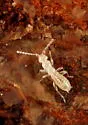
Classification
- Kingdom
- Animalia
- Phylum
- Arthropoda
- Class
- Insecta
- Order
- Zoraptera (Zorapterans)
- Family
- Zorotypidae
- Genus
- Zorotypus
Imported taxonomy record. Source availability varies; see the source references and editorial policy below.
Habitat and Range
Geographic Range
PA-FL to so.IA-TX
About Zorapterans: the wider group
Order-level background for Zoraptera, the group containing Zorotypus hubbardi. Species-specific details appear above.
Group overview
Zoraptera (angel insects) is one of the least-known insect orders with only ~44 described species. They are tiny (2-3mm), colonial insects found in rotting wood in tropical and warm temperate regions.
Ecological role of the group
Angel insects feed on fungal spores and hyphae in rotting logs. They live in small colonies of 15-120 individuals. Unusually, both winged and wingless forms exist within the same species - winged individuals disperse while wingless ones stay in the colony.
Economic and practical significance of the group
Zorapterans have no economic impact. Their extreme rarity and small size mean they are among the least studied insects - many species are known from only a handful of specimens.
Recorded sources for this group: Entomological research, tropical biodiversity. Imported estimates may describe particular regions or reporting periods.
Photos of Zorotypus hubbardi (5)
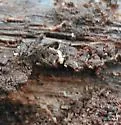
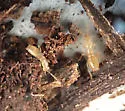
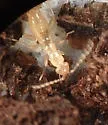
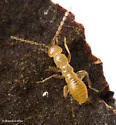
Photo credits: Contributed by metrioptera