
Slippery Snail
Cochlicopa lubrica
This record describes Cochlicopa lubrica (species). Recorded family: Cochlicopidae. Recorded order: Pulmonata.
Identification and Appearance
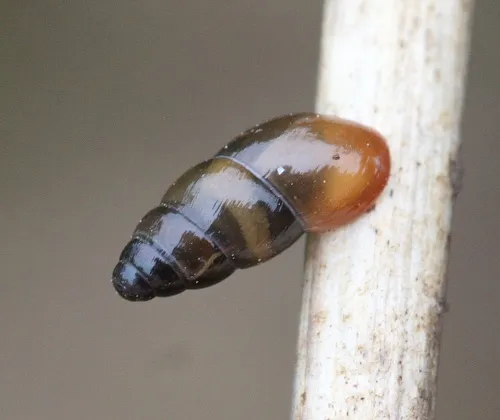
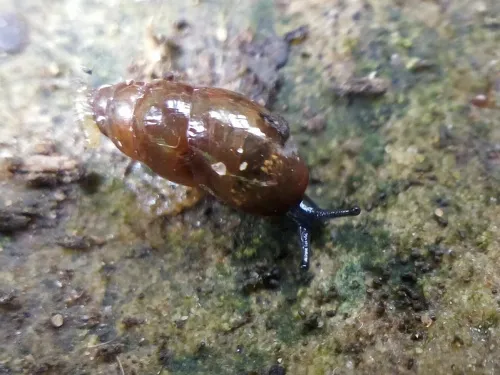
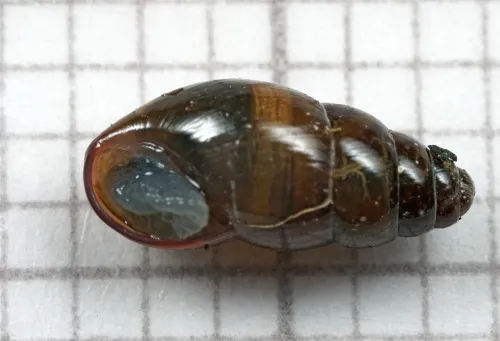
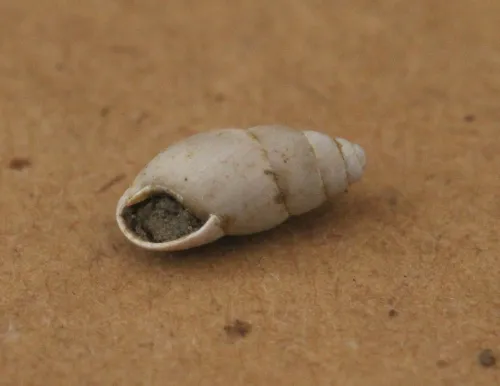
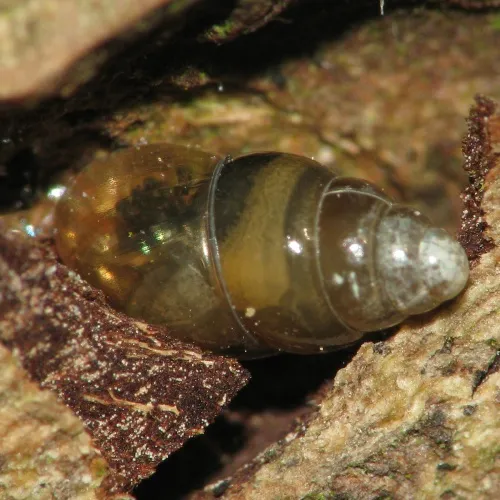
Height: 5-6 mm. Shells are glossy and translucent, elongate with thickened lips and no teeth at the opening. Cochlicopa lubricella is very hard to tell apart but has slightly more shallow sutures on the shell. There is also much debate about the status of Cochlicopa species so for this reason the species are recorded as 'likely to be this species' and indicated by the 'cf'. Although mating between two individuals usually takes place, these snails are capable of self fertilisation. Common and widespread in England and Wales
Classification
- Kingdom
- Animalia
- Phylum
- Arthropoda
- Order
- Pulmonata
- Family
- Cochlicopidae
- Genus
- Cochlicopa
Imported taxonomy record. Source availability varies; see the source references and editorial policy below.
Habitat and Range
Habitat
Moist places, woods, rocks.
Diet and Behavior
Life History
Although mating between two individuals usually takes place, these snails are capable of self fertilisation.
Additional species information
Recorded status
Common and widespread in England and Wales
About Pulmonata: the wider group
Order-level background for Pulmonata, the group containing Cochlicopa lubrica. Species-specific details appear above.
Group overview
Pulmonata includes terrestrial and freshwater snails and slugs with ~30,000 described species. The giant African land snail (Lissachatina fulica) can reach 20cm and is one of the most invasive species globally.
Ecological role of the group
Terrestrial gastropods are important decomposers and calcium recyclers in forest ecosystems. They are also critical food sources for birds, hedgehogs, and beetles. Many species are hermaphrodites, possessing both male and female reproductive organs.
Economic and practical significance of the group
Slugs and snails cause billions in crop damage worldwide. The global molluscicide market was valued at $800 million in 2023. Conversely, edible snails (escargot) support a global industry worth over $4 billion annually.
Recorded sources for this group: FAO, agricultural pest management, gastropod research. Imported estimates may describe particular regions or reporting periods.
Photos of Slippery Snail (10)
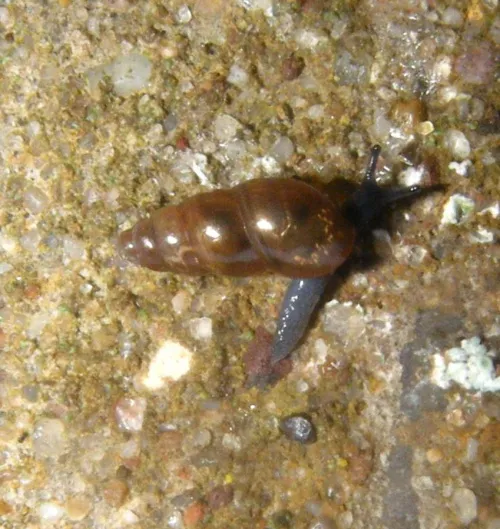
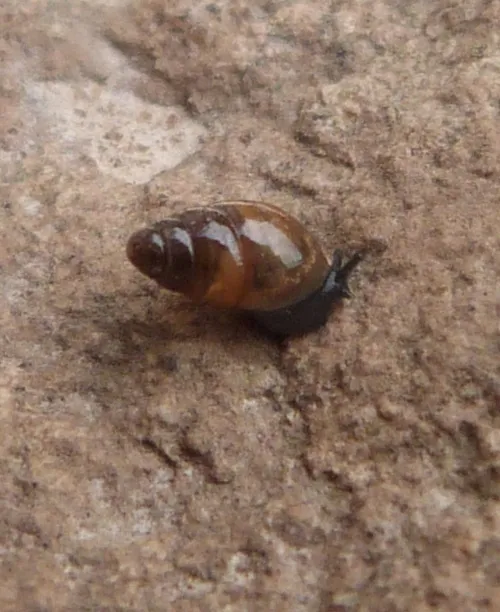
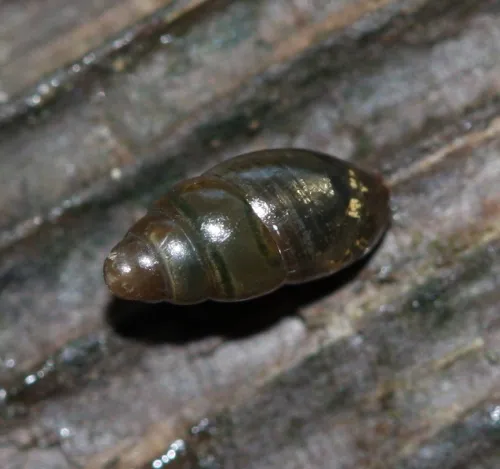
Frequently Asked Questions About Slippery Snail
What is Slippery Snail?
Slippery Snail (Cochlicopa lubrica) is a species in the family Cochlicopidae, within the order Pulmonata.
Where is Slippery Snail found?
Habitat: Moist places, woods, rocks.
What is the life cycle of a Slippery Snail?
Although mating between two individuals usually takes place, these snails are capable of self fertilisation.