
Reptalus quinquecostatus
This record describes Reptalus quinquecostatus (species). Recorded family: Cixiidae. Recorded order: Hemiptera.
Identification and Appearance
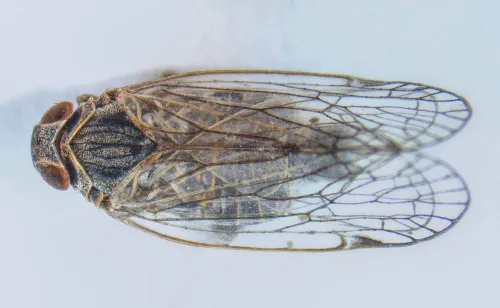
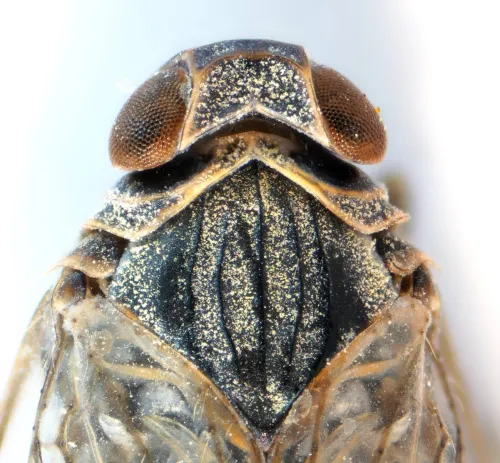
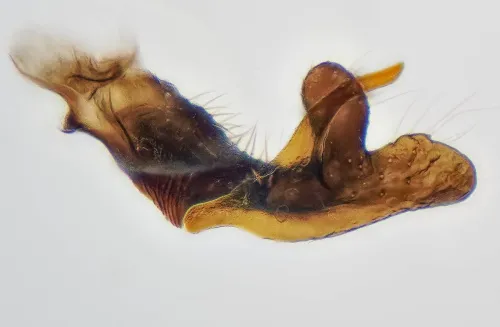
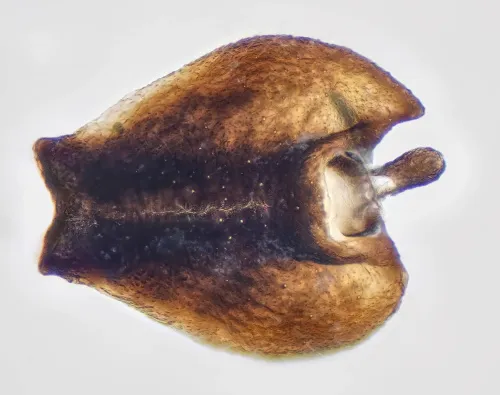
This genus is readily separated from other Cixiids by the five keels on the scutellum (three in Cixius/Tachycixius). The vertex is much broader than it is long. Genital examination is required to distinguish between this and other species in the genus. Unless identified by a recognised expert, a photo is required and the specimen should be examined with a microscope. In the comments box, state the key or ID method used and describe the size and identifying characters. Adults are polyphagous and feed on grassy and sometimes on woody plants. This species is associated with ground that dries out and cracks open during the summer months. Adult females lay their eggs directly in the soil near the base of host plants. The five underground nymphal stages live in soil crevices feeding on the roots. Adults emerge in the summer to feed on leaves and green shoots across a wide variety of hosts. https://www.britishbugs.org.uk/homoptera/Cixiidae/Oliarus_panzeri.html No additional images available for this species.
Classification
Habitat and Range
Habitat
Adults are polyphagous and feed on grassy and sometimes on woody plants. This species is associated with ground that dries out and cracks open during the summer months. Adult females lay their eggs directly in the soil near the base of host plants. The five underground nymphal stages live in soil crevices feeding on the roots. Adults emerge in the summer to feed on leaves and green shoots across a wide variety of hosts.
Seasonal Activity
Spring-Autumn.
Additional species information
Recorded status
NatureSpot
About True Bugs, Cicadas, Hoppers, Aphids and Allies: the wider group
Order-level background for Hemiptera, the group containing Reptalus quinquecostatus. Species-specific details appear above.
Group overview
Hemiptera (true bugs) includes over 80,000 described species across cicadas, aphids, leafhoppers, shield bugs, and bed bugs. Aphids alone cost global agriculture an estimated $2.5 billion annually in crop losses.
Ecological role of the group
Many Hemiptera are essential food sources for birds and predatory insects. Cicadas provide massive nutrient pulses during emergence events - a single Brood X emergence can involve trillions of individuals across 15 states.
Economic and practical significance of the group
The brown marmorated stink bug (Halyomorpha halys) caused $37 million in apple crop losses in a single year in the U.S. Mid-Atlantic region. Bed bug infestations in the U.S. increased by 500% between 2001-2010, costing the hotel industry hundreds of millions annually.
Recorded sources for this group: USDA, EPA, University research. Imported estimates may describe particular regions or reporting periods.
Photos of Reptalus quinquecostatus (4)
Frequently Asked Questions About Reptalus quinquecostatus
What is Reptalus quinquecostatus?
Reptalus quinquecostatus is a species in the family Cixiidae, within the order Hemiptera.
Where is Reptalus quinquecostatus found?
Habitat: Adults are polyphagous and feed on grassy and sometimes on woody plants. This species is associated with ground that dries out and cracks open during the summer months. Adult females lay their eggs directly in the soil near the base of host plants. The five underground nymphal stages live in soil crevices feeding on the roots. Adults emerge in the summer to feed on leaves and green shoots across a wide variety of hosts.
When is Reptalus quinquecostatus active?
Reptalus quinquecostatus: seasonal activity - Spring-Autumn..