
Midwestern Salmonfly
Pteronarcys pictetii
This record describes Pteronarcys pictetii (species). Recorded family: Pteronarcyidae. Recorded order: Plecoptera.
Identification and Appearance
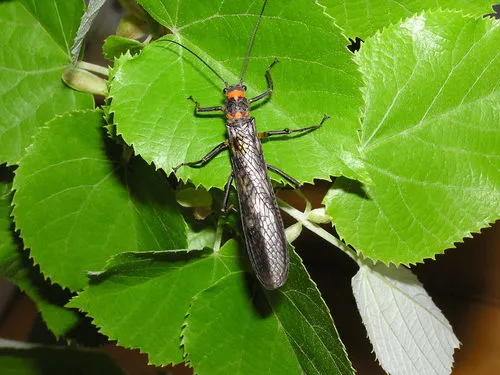
Wikipedia reference for Pteronarcys pictetii: http://en.wikipedia.org/wiki/Pteronarcys_pictetii.
Classification
- Kingdom
- Animalia
- Phylum
- Arthropoda
- Class
- Insecta
- Order
- Plecoptera (Stoneflies)
- Superfamily
- Pteronarcyoidea
- Family
- Pteronarcyidae (Giant Stoneflies)
- Genus
- Pteronarcys (Giant Stoneflies)
Imported taxonomy record. Source availability varies; see the source references and editorial policy below.
Habitat and Range
Habitat
Nymphs in generally cool, clean rivers
Geographic Range
map ; recorded in AR CO CT IA IL IN KS KY MB MI MN MO ND NE OH PA SD TN WI
Seasonal Activity
Nymphs may be found through most of the year. Adults present only during summer.
Diet and Behavior
Diet: Nymphs mostly shredders of leaves. Adults non-feeding.
Life History
Most nymphal growth during fall, winter and spring. Adults emerge during summer.
Additional species information
Species notes from the sources
Etymology: Pteronarcys pictetii Hagen 1873
About Stoneflies: the wider group
Order-level background for Plecoptera, the group containing Pteronarcys pictetii. Species-specific details appear above.
Group overview
Plecoptera (stoneflies) includes ~3,700 described species. Stonefly nymphs are among the most pollution-sensitive aquatic insects - they require cold, clean, well-oxygenated running water to survive.
Ecological role of the group
Stonefly nymphs are important shredders of leaf litter in streams, breaking down organic material and making nutrients available to other organisms. Adults are a key food source for trout and are widely imitated in fly fishing.
Economic and practical significance of the group
Stoneflies are considered the gold standard bioindicator for water quality monitoring worldwide. Their absence from a stream is one of the strongest signals of pollution or environmental degradation.
Recorded sources for this group: EPA, freshwater ecology research, fly fishing industry. Imported estimates may describe particular regions or reporting periods.
Photos of Midwestern Salmonfly (3)
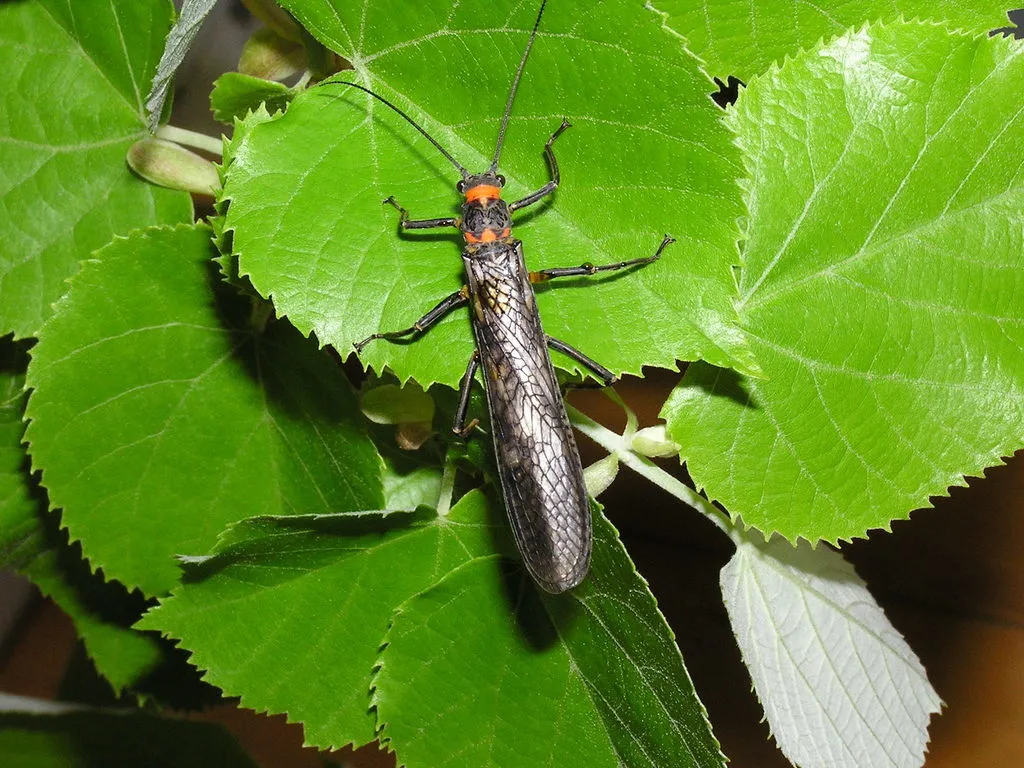
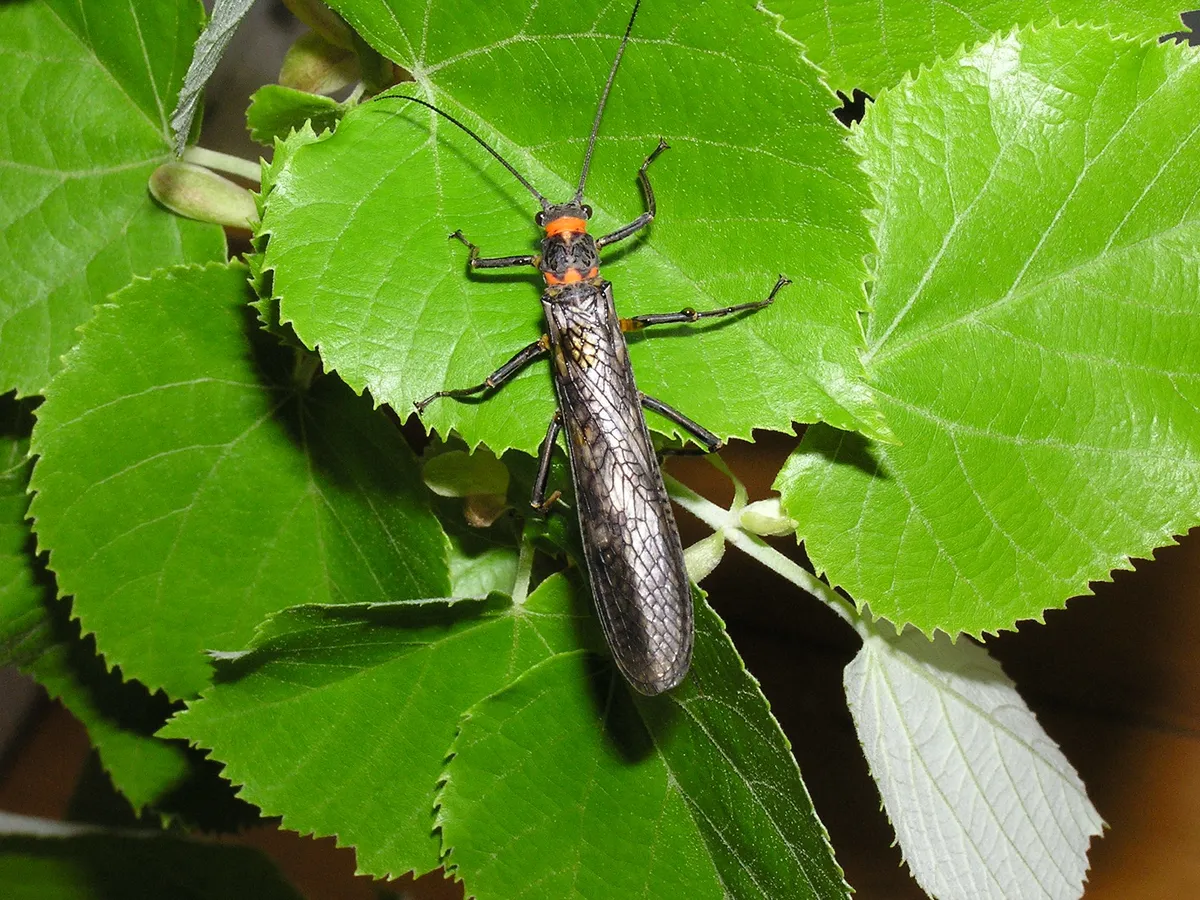
Photo credits: Contributed by Greg Courtney; Additional contributions by v belov
Frequently Asked Questions About Midwestern Salmonfly
Where is Midwestern Salmonfly found?
| Feature | Details |
|---|---|
| Habitat | Nymphs in generally cool, clean rivers |
| Range | map ; recorded in AR CO CT IA IL IN KS KY MB MI MN MO ND NE OH PA SD TN WI |
What does Midwestern Salmonfly eat?
The diet of the Midwestern Salmonfly includes Nymphs mostly shredders of leaves. Adults non-feeding..
When is Midwestern Salmonfly active?
Midwestern Salmonfly: seasonal activity - Nymphs may be found through most of the year. Adults present only during summer..
What is the life cycle of a Midwestern Salmonfly?
Most nymphal growth during fall, winter and spring. Adults emerge during summer.