
Pseudopolydesmus paludicolus
This record describes Pseudopolydesmus paludicolus (species). Recorded family: Polydesmidae. Recorded order: Polydesmida.
Identification and Appearance
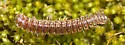
A very small Pseudopolydesmus with two rows of quadrate areas on tergites. Paranota more noticeably directed caudally than in other species. A dark burgundy species, easily blends in with leaf litter
Classification
- Kingdom
- Animalia
- Phylum
- Arthropoda
- Class
- Diplopoda
- Order
- Polydesmida (Flat-backed Millipedes)
- Family
- Polydesmidae
- Genus
- Pseudopolydesmus
Imported taxonomy record. Source availability varies; see the source references and editorial policy below.
Habitat and Range
Habitat
Deciduous leaf litter and dead logs
Geographic Range
Only recorded from e. VA and Orangeburg Co., SC. May be distributed throughout the Atlantic Coastal Plain, but missed by collectors.
Additional species information
Species notes from the sources
Etymology: Pseudopolydesmus paludicolus Hoffman 1950
About Flat-backed Millipedes: the wider group
Order-level background for Polydesmida, the group containing Pseudopolydesmus paludicolus. Species-specific details appear above.
Group overview
Polydesmida (flat-backed millipedes) is the largest millipede order with ~3,500 described species. Many species produce hydrogen cyanide (HCN) as a chemical defense - a strategy unique among arthropods.
Ecological role of the group
Flat-backed millipedes are major leaf litter decomposers in forest ecosystems, recycling calcium, nitrogen, and other nutrients. Their fecal pellets contribute significantly to soil formation and humus production.
Economic and practical significance of the group
Millipedes are generally beneficial decomposers but can occasionally damage seedlings and soft fruits in gardens. Some tropical species cause skin irritation through their cyanide-based defensive secretions.
Recorded sources for this group: Myriapod research, soil ecology. Imported estimates may describe particular regions or reporting periods.
Photos of Pseudopolydesmus paludicolus (4)
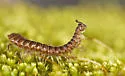
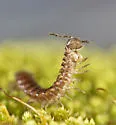
Photo credits: Contributed by Derek Hennen; Additional contributions by v belov
Frequently Asked Questions About Pseudopolydesmus paludicolus
What is Pseudopolydesmus paludicolus?
Pseudopolydesmus paludicolus is a species in the family Polydesmidae, within the order Polydesmida.
How big is Pseudopolydesmus paludicolus?
12 mm
How do you identify Pseudopolydesmus paludicolus?
A very small Pseudopolydesmus with two rows of quadrate areas on tergites. Paranota more noticeably directed caudally than in other species.
Where is Pseudopolydesmus paludicolus found?
| Feature | Details |
|---|---|
| Habitat | Deciduous leaf litter and dead logs |
| Range | Only recorded from e. VA and Orangeburg Co., SC. May be distributed throughout the Atlantic Coastal Plain, but missed by collectors. |