
Pseudocellus dorotheae
This record describes Pseudocellus dorotheae (species). Recorded family: Ricinoididae. Recorded order: Ricinulei.
Identification and Appearance
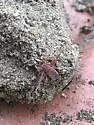
Extremely cryptic. Hasn't been seen for decades, but also hasn't been sampled for.
Classification
- Kingdom
- Animalia
- Phylum
- Arthropoda
- Class
- Arachnida
- Order
- Ricinulei (Hooded Tickspiders)
- Family
- Ricinoididae
- Genus
- Pseudocellus
Imported taxonomy record. Source availability varies; see the source references and editorial policy below.
Habitat and Range
Habitat
Leaf litter, under logs and stones.
Geographic Range
Type locality: Edinburg, Hidalgo Co., Texas
Diet and Behavior
Diet: Predaceous, but food unknown in many species. Termites are suspected to be a heavy food source in many species (Cooke, 1967). Authors in reported a specimen eating a single tiphiid wasp in captivity.
Additional species information
Species notes from the sources
Etymology: Pseudocellus dorotheae (Gertsch and Mulaik, 1939)
About Hooded Tickspiders: the wider group
Order-level background for Ricinulei, the group containing Pseudocellus dorotheae. Species-specific details appear above.
Group overview
This is a smaller arthropod order with specialized ecological roles. Arthropods are the most diverse animal phylum, comprising over 80% of all known animal species with approximately 1.2 million described species globally.
Ecological role of the group
Members of this order contribute to broader arthropod ecosystem functions including decomposition, predation, and serving as food sources for vertebrates. Arthropod biodiversity is essential for ecosystem resilience.
Economic and practical significance of the group
While this order has limited direct economic impact, arthropods collectively provide ecosystem services worth trillions of dollars annually through pollination, decomposition, pest control, and nutrient cycling.
Recorded sources for this group: General entomology and arthropod research. Imported estimates may describe particular regions or reporting periods.
Frequently Asked Questions About Pseudocellus dorotheae
What is Pseudocellus dorotheae?
Pseudocellus dorotheae is a species in the family Ricinoididae, within the order Ricinulei.
Where is Pseudocellus dorotheae found?
| Feature | Details |
|---|---|
| Habitat | Leaf litter, under logs and stones. |
| Range | Type locality: Edinburg, Hidalgo Co., Texas |
What does Pseudocellus dorotheae eat?
The diet of the Pseudocellus dorotheae includes Predaceous, but food unknown in many species. Termites are suspected to be a heavy food source in many species (Cooke, 1967). Authors in reported a specimen eating a single tiphiid wasp in captivity..