
Swift Woodlouse
Porcellio laevis
This record describes Porcellio laevis (species). Recorded family: Porcellionidae. Recorded order: Isopoda.
Identification and Appearance
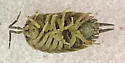
The smoothly glossy, dark and essentially unpatterned dorsal surface of P. laevis , the sharply triangular telson and long uropods are distinctive among the introduced European Porcellio spp. -- J. Wright's comment source:
Classification
- Kingdom
- Animalia
- Phylum
- Arthropoda
- Class
- Malacostraca
- Order
- Isopoda (Isopods)
- Suborder
- Oniscidea
- Family
- Porcellionidae
- Genus
- Porcellio
Imported taxonomy record. Source availability varies; see the source references and editorial policy below.
Habitat and Range
Habitat
almost all habitats influenced by man in North and South America
Geographic Range
native to so. Europe, adventive in our area
Additional species information
Species notes from the sources
Etymology: Porcellio laevis Latreille 1804
About Isopods: the wider group
Order-level background for Isopoda, the group containing Porcellio laevis. Species-specific details appear above.
Group overview
Isopoda includes ~10,000 described species of woodlice, pill bugs, and sea slaters. Woodlice are the only crustaceans to have fully adapted to life on land. Pill bugs (roly-polies) can roll into a perfect ball for defense.
Ecological role of the group
Woodlice are critical soil decomposers, breaking down dead plant material and recycling calcium and other nutrients. They breathe through gill-like structures and require moist environments. Giant deep-sea isopods (Bathynomus) can grow up to 50cm long.
Economic and practical significance of the group
Woodlice are generally beneficial in gardens as decomposers, though they can occasionally damage seedlings and soft fruits in large numbers.
Recorded sources for this group: Soil ecology research, marine biology. Imported estimates may describe particular regions or reporting periods.
Photos of Swift Woodlouse (5)
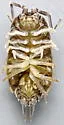
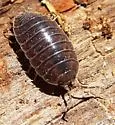
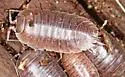
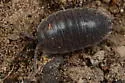
Photo credits: Contributed by john and jane balaban; Additional contributions by Beatriz Moisset , v belov , Astrobirder
Frequently Asked Questions About Swift Woodlouse
What is Swift Woodlouse?
Swift Woodlouse (Porcellio laevis) is a species in the family Porcellionidae, within the order Isopoda.
How big is Swift Woodlouse?
up to 20 mm
How do you identify Swift Woodlouse?
The smoothly glossy, dark and essentially unpatterned dorsal surface of P. laevis , the sharply triangular telson and long uropods are distinctive among the introduced European Porcellio spp. -- J. Wright's comment
Where is Swift Woodlouse found?
| Feature | Details |
|---|---|
| Habitat | almost all habitats influenced by man in North and South America |
| Range | native to so. Europe, adventive in our area |