
Broad Mite
Polyphagotarsonemus latus
This record describes Polyphagotarsonemus latus (species). Recorded family: Tarsonemidae. Recorded order: Trombidiformes.
Identification and Appearance
Classification
- Kingdom
- Animalia
- Phylum
- Arthropoda
- Class
- Arachnida
- Order
- Trombidiformes
- Suborder
- Prostigmata
- Superfamily
- Tarsonemoidea
- Family
- Tarsonemidae
- Genus
- Polyphagotarsonemus
Imported taxonomy record. Source availability varies; see the source references and editorial policy below.
Habitat and Range
Geographic Range
Cosmopolitan, possibly introduced. Considered invasive in this country. (Capinera, John L. North American Vegetable Pests. The Pattern of Invasion. American Entomologist. Spring 2002)
Diet and Behavior
Diet: Many fruit and vegetable crops including bittermelon, Chinese waxgourd, chiso, chrysanthemum, cucumber, edible gourds, eggplant, green beans, guava, hyotan, macadamia, mango, papaya, passion fruit, pepper, pikake, plumeria, poha (ground cherry), pumpkin, tomato, watercress, winged bean, and yardlong beans.
Life History
From egg to adult: 4 to 6 days.
About Mites: the wider group
Order-level background for Trombidiformes, the group containing Polyphagotarsonemus latus. Species-specific details appear above.
Group overview
Trombidiformes includes ~26,000 described species of mites including velvet mites, chiggers, and spider mites. Spider mites (Tetranychidae) are among the most destructive agricultural pests worldwide.
Ecological role of the group
Velvet mites are important soil predators. Chigger larvae are parasitic on vertebrates and can cause intense itching (trombidiosis). Some mite species are used as biological control agents against pest mites in agriculture.
Economic and practical significance of the group
Spider mites cause billions of dollars in crop damage globally, affecting over 1,100 plant species. The two-spotted spider mite (Tetranychus urticae) has developed resistance to more pesticides than any other arthropod.
Recorded sources for this group: USDA, agricultural pest management research. Imported estimates may describe particular regions or reporting periods.
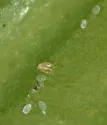
Photos of Broad Mite (4)
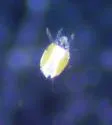
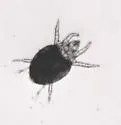
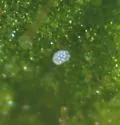
Photo credits: Contributed by Dennis Haines; Additional contributions by Beatriz Moisset
Frequently Asked Questions About Broad Mite
How big is Broad Mite?
| Feature | Details |
|---|---|
| Female | 0.2 mm. |
| Male | 0.11mm |
Where is Broad Mite found?
Range: Cosmopolitan, possibly introduced. Considered invasive in this country. (Capinera, John L. North American Vegetable Pests. The Pattern of Invasion. American Entomologist. Spring 2002)
What does Broad Mite eat?
The diet of the Broad Mite includes Many fruit and vegetable crops including bittermelon, Chinese waxgourd, chiso, chrysanthemum, cucumber, edible gourds, eggplant, green beans, guava, hyotan, macadamia, mango, papaya, passion fruit, pepper, pikake, plumeria, poha (ground cherry), pumpkin, tomato, watercress, winged bean, and yardlong beans..
What is the life cycle of a Broad Mite?
From egg to adult: 4 to 6 days.