
Podmosta obscura
This record describes Podmosta obscura (species). Recorded family: Nemouridae. Recorded order: Plecoptera.
Identification and Appearance
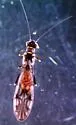
Classification
- Kingdom
- Animalia
- Phylum
- Arthropoda
- Class
- Insecta
- Order
- Plecoptera (Stoneflies)
- Superfamily
- Nemouroidea
- Family
- Nemouridae (Spring Stoneflies)
- Subfamily
- Nemourinae
- Genus
- Podmosta
Imported taxonomy record. Source availability varies; see the source references and editorial policy below.
Habitat and Range
Geographic Range
Oregon, Washington
About Stoneflies: the wider group
Order-level background for Plecoptera, the group containing Podmosta obscura. Species-specific details appear above.
Group overview
Plecoptera (stoneflies) includes ~3,700 described species. Stonefly nymphs are among the most pollution-sensitive aquatic insects - they require cold, clean, well-oxygenated running water to survive.
Ecological role of the group
Stonefly nymphs are important shredders of leaf litter in streams, breaking down organic material and making nutrients available to other organisms. Adults are a key food source for trout and are widely imitated in fly fishing.
Economic and practical significance of the group
Stoneflies are considered the gold standard bioindicator for water quality monitoring worldwide. Their absence from a stream is one of the strongest signals of pollution or environmental degradation.
Recorded sources for this group: EPA, freshwater ecology research, fly fishing industry. Imported estimates may describe particular regions or reporting periods.
Photos of Podmosta obscura (3)
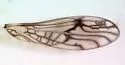
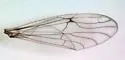
Photo credits: Contributed by John F. Carr