
Phalangium opilio
This record describes Phalangium opilio (species). Recorded family: Phalangiidae. Recorded order: Opiliones.
Identification and Appearance
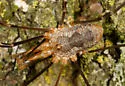
Males have a large spur/horn on the anterior surface of the first cheliceral segment. Males also tend to have long, thin pedipalps relative to those of other harvestmen. Both sexes have small tubercule-mounted spikes on the anterior surface of their body, in between the top of chelicerae and the anterior end of the dorsum. Due to its extensive range and ubiquity in anthropogenic habitats, this species is the single-most studied opilionid; several hundred articles have been published on it.
Classification
- Kingdom
- Animalia
- Phylum
- Arthropoda
- Class
- Arachnida
- Order
- Opiliones (Harvestmen)
- Suborder
- Eupnoi
- Superfamily
- Phalangioidea
- Family
- Phalangiidae
- Genus
- Phalangium
Imported taxonomy record. Source availability varies; see the source references and editorial policy below.
Habitat and Range
Habitat
Common in disturbed, anthropogenic habitats (e.g., agricultural fields, urban areas).
Geographic Range
Holarctic, native to the Palaearctic. It has been introduced to North America, North Africa and New Zealand.
Diet and Behavior
Diet: Soft-bodied animals such as aphids, caterpillars, leafhoppers, beetle larvae, mites, slugs, etc. Also known to scavenge on various arthropods, including hard-bodied animals.
Life History
In Europe has a single generation and overwinters as eggs. In parts of North America two or more generations may occur, and eggs, immatures, or adults may overwinter. Eggs are laid in moist areas under rocks, in cracks in the soil, or between the soil and the crowns or recumbent leaves of plants. The eggs hatch in three weeks to five months or more, depending on temperature, and the immatures undergo several molts and reach maturity in two to three months, again depending on temperature.
Additional species information
Species notes from the sources
Etymology: Phalangium opilio Linnaeus 1758
About Harvestmen: the wider group
Order-level background for Opiliones, the group containing Phalangium opilio. Species-specific details appear above.
Group overview
Opiliones (harvestmen/daddy longlegs) includes ~6,650 described species. Despite common myths, harvestmen are NOT spiders - they have a single fused body (not two segments), no venom glands, and no silk. They are completely harmless.
Ecological role of the group
Some harvestmen species practice paternal care - males guard eggs, a rare behavior among arachnids. Many species can detach their legs when caught by predators (autotomy), and the detached leg continues twitching to distract the predator.
Economic and practical significance of the group
Harvestmen have minimal economic impact. They are primarily beneficial as predators of small arthropods and as decomposers of organic matter in forest and garden ecosystems.
Recorded sources for this group: Arachnology research. Imported estimates may describe particular regions or reporting periods.
Photos of Phalangium opilio (5)
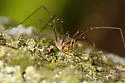
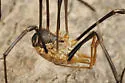
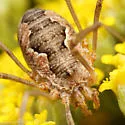
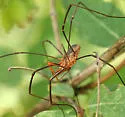
Photo credits: Contributed by Christopher Hunt; Additional contributions by Beatriz Moisset , charles_stephen , v belov , mhedin , edanko
Frequently Asked Questions About Phalangium opilio
What is Phalangium opilio?
Phalangium opilio is a species in the family Phalangiidae, within the order Opiliones.
How big is Phalangium opilio?
Adult body ~3.5–3.9 mm, with males generally smaller than females
How do you identify Phalangium opilio?
Males have a large spur/horn on the anterior surface of the first cheliceral segment. Males also tend to have long, thin pedipalps relative to those of other harvestmen. Both sexes have small tubercule-mounted spikes on the anterior surface of their body, in between the top of chelicerae and the anterior end of the dorsum.
Where is Phalangium opilio found?
| Feature | Details |
|---|---|
| Habitat | Common in disturbed, anthropogenic habitats (e.g., agricultural fields, urban areas). |
| Range | Holarctic, native to the Palaearctic. It has been introduced to North America, North Africa and New Zealand. |
What does Phalangium opilio eat?
The diet of the Phalangium opilio includes Soft-bodied animals such as aphids, caterpillars, leafhoppers, beetle larvae, mites, slugs, etc. Also known to scavenge on various arthropods, including hard-bodied animals..
What is the life cycle of a Phalangium opilio?
In Europe has a single generation and overwinters as eggs. In parts of North America two or more generations may occur, and eggs, immatures, or adults may overwinter. Eggs are laid in moist areas under rocks, in cracks in the soil, or between the soil and the crowns or recumbent leaves of plants. The eggs hatch in three weeks to five months or more, depending on temperature, and the immatures undergo several molts and reach maturity in two to three months, again depending on temperature.