
Pedetontus (s.str.) saltator
Pedetontus saltator
This record describes Pedetontus saltator (species). Recorded family: Machilidae. Recorded order: Microcoryphia.
Identification and Appearance
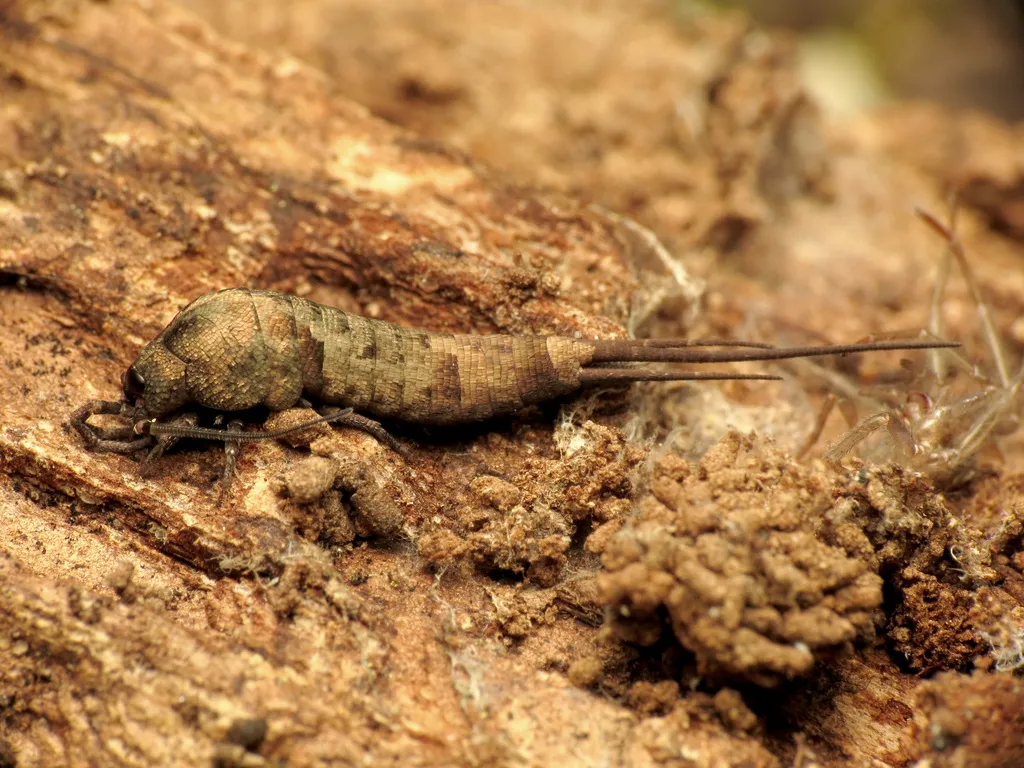
member of the nominate subgenus (5 spp. in our area, all but one in CA-OR)
Wikipedia reference for Pedetontus saltator: http://en.wikipedia.org/wiki/Pedetontus_saltator.
Classification
- Kingdom
- Animalia
- Phylum
- Arthropoda
- Class
- Insecta
- Order
- Microcoryphia (Bristletails)
- Family
- Machilidae (Jumping Bristletails)
- Subfamily
- Petrobiinae
- Genus
- Pedetontus
Imported taxonomy record. Source availability varies; see the source references and editorial policy below.
Habitat and Range
Habitat
crevices in limestone cliffs, on boulders, leaf litter between boulders, in old stone walls (from close to the surface to at least 2 feet below the top of the stone wall); at night, specimens were found on the surface
Geographic Range
ne.US (MA‒NJ‒PA)
Diet and Behavior
Life History
May be parthenogenetic
Additional species information
Species notes from the sources
Etymology: Pedetontus saltator Wygodzinsky & Schmidt 1980
About Bristletails: the wider group
Order-level background for Microcoryphia, the group containing Pedetontus saltator. Species-specific details appear above.
Group overview
Microcoryphia (jumping bristletails) includes ~500 described species. These are among the most primitive living insects - they are wingless, have an arched body, and can jump up to 30cm using their tail-like appendage.
Ecological role of the group
Bristletails feed on algae, lichens, and decaying plant material on rock surfaces and in leaf litter. They are primarily nocturnal and are preyed upon by spiders and ground beetles.
Economic and practical significance of the group
Jumping bristletails have no economic impact. They are valuable to entomologists as living fossils - representing the most ancestral body plan of any living insect group, dating back ~390 million years.
Recorded sources for this group: Entomological research, insect paleontology. Imported estimates may describe particular regions or reporting periods.
Photos of Pedetontus (s.str.) saltator (3)
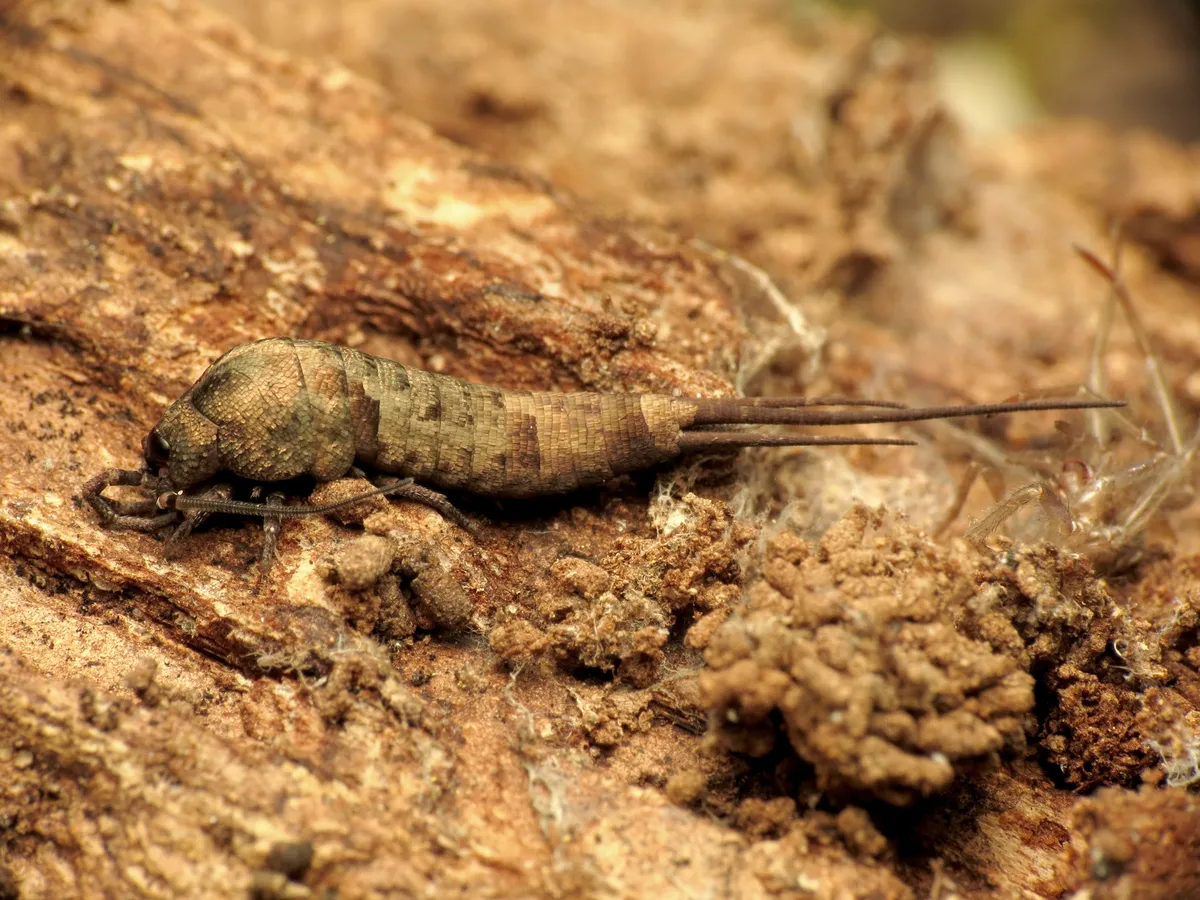
Photo credits: Contributed by John F. Carr; Additional contributions by v belov
Frequently Asked Questions About Pedetontus (s.str.) saltator
What is Pedetontus (s.str.) saltator?
Pedetontus (s.str.) saltator (Pedetontus saltator) is a species in the family Machilidae, within the order Microcoryphia.
Where is Pedetontus (s.str.) saltator found?
| Feature | Details |
|---|---|
| Habitat | crevices in limestone cliffs, on boulders, leaf litter between boulders, in old stone walls (from close to the surface to at least 2 feet below the top of the stone wall); at night, specimens were found on the surface |
| Range | ne.US (MA‒NJ‒PA) |
What is the life cycle of a Pedetontus (s.str.) saltator?
May be parthenogenetic