
Cotton Seed Bug
Oxycarenus hyalinipennis
This record describes Oxycarenus hyalinipennis (species). Recorded family: Oxycarenidae. Recorded order: Hemiptera.
Identification and Appearance
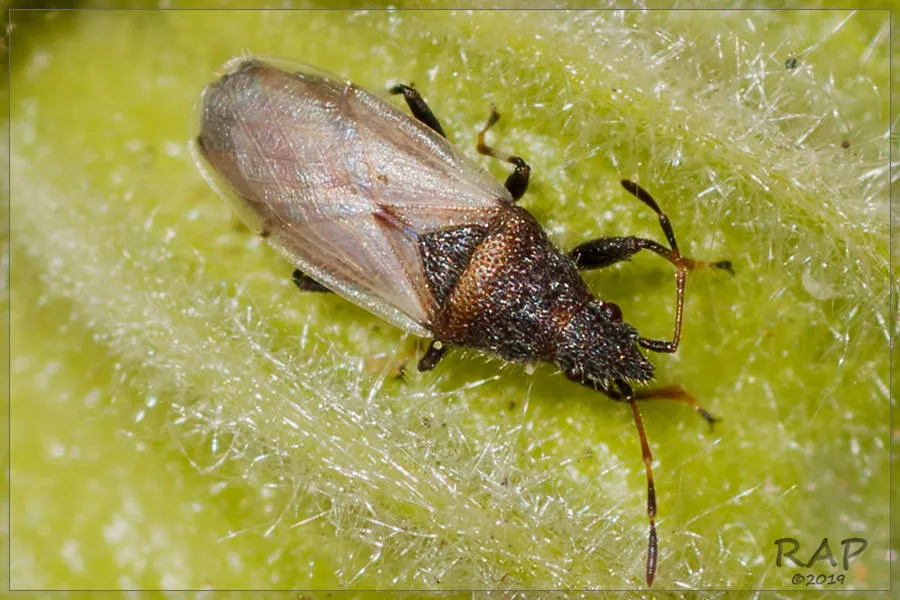
Wikipedia reference for Oxycarenus hyalinipennis: http://en.wikipedia.org/wiki/Oxycarenus_hyalinipennis.
Classification
- Kingdom
- Animalia
- Phylum
- Arthropoda
- Class
- Insecta
- Order
- Hemiptera (True Bugs, Cicadas, Hoppers, Aphids and Allies)
- Suborder
- Heteroptera
- Superfamily
- Lygaeoidea
- Family
- Oxycarenidae
- Genus
- Oxycarenus
Imported taxonomy record. Source availability varies; see the source references and editorial policy below.
Habitat and Range
Geographic Range
native to Africa, adventive in many parts of the world across warmer regions of Eurasia & the Neortopics; in our area, found in the Florida Keys (Halbert & Dobbs 2010); could potentially become established in all areas of in the United States where cotton is grown (Molet & Jackson 2011)
Diet and Behavior
Diet: Seeds of Malvaceae probably required for complete development, but bugs will feed on a wide variety of plants
Life History
serious pests of cotton seeds; Adults may feed on fruits and seeds of non-malvaceous plants, causing significant damage. bugs congregate on walls of buildings without feeding and emit an unpleasant odor. they are attracted to light and harass people at night in lighted areas. Thus, there could be an urban nuisance
Additional species information
Species notes from the sources
Etymology: Oxycarenus hyalinipennis (A. Costa 1843)
About True Bugs, Cicadas, Hoppers, Aphids and Allies: the wider group
Order-level background for Hemiptera, the group containing Oxycarenus hyalinipennis. Species-specific details appear above.
Group overview
Hemiptera (true bugs) includes over 80,000 described species across cicadas, aphids, leafhoppers, shield bugs, and bed bugs. Aphids alone cost global agriculture an estimated $2.5 billion annually in crop losses.
Ecological role of the group
Many Hemiptera are essential food sources for birds and predatory insects. Cicadas provide massive nutrient pulses during emergence events - a single Brood X emergence can involve trillions of individuals across 15 states.
Economic and practical significance of the group
The brown marmorated stink bug (Halyomorpha halys) caused $37 million in apple crop losses in a single year in the U.S. Mid-Atlantic region. Bed bug infestations in the U.S. increased by 500% between 2001-2010, costing the hotel industry hundreds of millions annually.
Recorded sources for this group: USDA, EPA, University research. Imported estimates may describe particular regions or reporting periods.
Photos of Cotton Seed Bug (3)
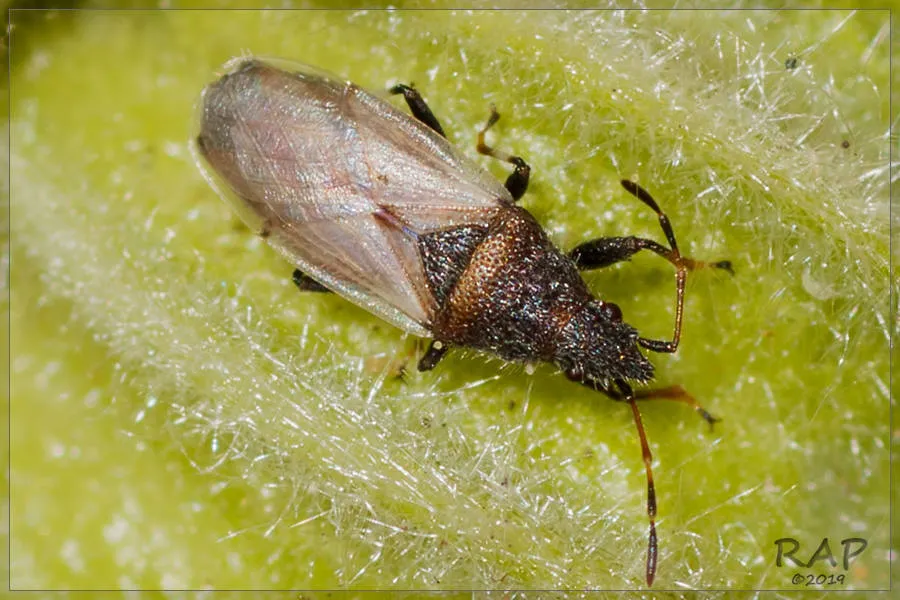
Photo credits: Contributed by v belov
Frequently Asked Questions About Cotton Seed Bug
How big is Cotton Seed Bug?
male about 3.8 mm; female 4.3 mm (Molet & Jackson 2011)
Where is Cotton Seed Bug found?
Range: native to Africa, adventive in many parts of the world across warmer regions of Eurasia & the Neortopics; in our area, found in the Florida Keys (Halbert & Dobbs 2010); could potentially become established in all areas of in the United States where cotton is grown (Molet & Jackson 2011)
What does Cotton Seed Bug eat?
The diet of the Cotton Seed Bug includes Seeds of Malvaceae probably required for complete development, but bugs will feed on a wide variety of plants.
What is the life cycle of a Cotton Seed Bug?
serious pests of cotton seeds; Adults may feed on fruits and seeds of non-malvaceous plants, causing significant damage. bugs congregate on walls of buildings without feeding and emit an unpleasant odor. they are attracted to light and harass people at night in lighted areas. Thus, there could be an urban nuisance