
Orthoporus ornatus
This record describes Orthoporus ornatus (species). Recorded family: Spirostreptidae. Recorded order: Spirostreptida.
Identification and Appearance
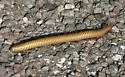
Classification
- Kingdom
- Animalia
- Phylum
- Arthropoda
- Class
- Diplopoda
- Order
- Spirostreptida
- Family
- Spirostreptidae
- Genus
- Orthoporus
Imported taxonomy record. Source availability varies; see the source references and editorial policy below.
Habitat and Range
Habitat
nocturnal but may be seen in the morning following rains
Geographic Range
sw.US (AZ to w. half of Texas) through Mexico to n. San Luis Potos
Diet and Behavior
Life History
known to mass aggregate; "marching armies of millipedes" reported crossing roads near Big Bend NP, TX
Additional species information
Species notes from the sources
Etymology: Orthoporus ornatus (Girard 1853)
About Spirostreptida: the wider group
Order-level background for Spirostreptida, the group containing Orthoporus ornatus. Species-specific details appear above.
Group overview
Spirostreptida includes ~1,000 described species, including the giant African millipede (Archispirostreptus gigas) which can reach 38cm (15 inches), the largest living millipede species.
Ecological role of the group
Giant millipedes are major decomposers in tropical forests - they consume and break down large volumes of decaying plant material, contributing significantly to soil nutrient cycling and humus formation.
Economic and practical significance of the group
Giant millipedes are popular exotic pets. The giant African millipede is one of the most commonly kept invertebrate pets worldwide. Some tropical species are collected for traditional medicine.
Recorded sources for this group: Pet trade, tropical ecology. Imported estimates may describe particular regions or reporting periods.
Photos of Orthoporus ornatus (5)
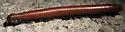
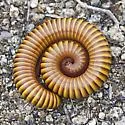
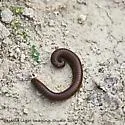
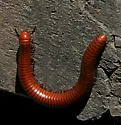
Photo credits: Contributed by Lynette Elliott; Additional contributions by john and jane balaban , Mike Quinn , v belov
Frequently Asked Questions About Orthoporus ornatus
How big is Orthoporus ornatus?
Up to 10 cm
Where is Orthoporus ornatus found?
| Feature | Details |
|---|---|
| Habitat | nocturnal but may be seen in the morning following rains |
| Range | sw.US (AZ to w. half of Texas) through Mexico to n. San Luis Potos |
What is the life cycle of a Orthoporus ornatus?
known to mass aggregate; marching armies of millipedes reported crossing roads near Big Bend NP, TX