
Kolodski's Caddisfly
Neophylax kolodskii
This record describes Neophylax kolodskii (species). Recorded family: Thremmatidae. Recorded order: Trichoptera.
Identification and Appearance
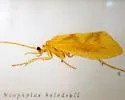
It is one of 211 caddisfly species known to inhabit the Park, including seven belonging to the genus Neophylax . - NPS
Classification
- Kingdom
- Animalia
- Phylum
- Arthropoda
- Class
- Insecta
- Order
- Trichoptera (Caddisflies)
- Suborder
- Integripalpia
- Superfamily
- Limnephiloidea
- Family
- Thremmatidae
- Genus
- Neophylax (Autumn Mottled Sedges)
Imported taxonomy record. Source availability varies; see the source references and editorial policy below.
Habitat and Range
Geographic Range
known to occur only in the Sams Creek drainage in Great Smoky Mountains National Park, and nowhere else in the world. - NPS The species is only known to be found in three locations in the GSMNP. - DLIA
Diet and Behavior
Life History
This genus of caddisfly emerges in the fall, and its eggs are laid out of water. The larvae make their nests out of pebbles held together by silk for protection, camouflage and possibly respiration. - DLIA
Additional species information
Species notes from the sources
Etymology: Parker named the species in honor of U.S. Park Ranger Joseph D. Kolodski , who, while a ranger at Great Smoky Mountains National Park, was killed when he responded to a "man with a gun" call on June 21, 1998, on the Blue Ridge Parkway. - NPS A commemorative plaque hanging on the wall of the GSMNP Headquarters reads: "Park Ranger Joseph D. Kolodski was slain in the line of duty on June 21, 1998, while providing protection to visitors. His heroic actions in sacrificing his life to safeguard national park visitor will never be forgotten."
About Caddisflies: the wider group
Order-level background for Trichoptera, the group containing Neophylax kolodskii. Species-specific details appear above.
Group overview
Trichoptera (caddisflies) includes ~14,500 described species worldwide. Larvae are aquatic and build protective cases from silk, sand, pebbles, and plant material - each species creates a distinctive case design.
Ecological role of the group
Caddisfly larvae are critical food sources for trout and other freshwater fish, making them essential to recreational fishing industries worth billions annually. Their silk is being researched as an underwater adhesive for medical applications.
Economic and practical significance of the group
Caddisfly larvae are among the most important biological indicators of water quality. Their presence or absence in streams is used by the EPA and state agencies to assess pollution levels and ecosystem health.
Recorded sources for this group: EPA, freshwater ecology research. Imported estimates may describe particular regions or reporting periods.
Frequently Asked Questions About Kolodski's Caddisfly
What is Kolodski's Caddisfly?
Kolodski's Caddisfly (Neophylax kolodskii) is a species in the family Thremmatidae, within the order Trichoptera.
Where is Kolodski's Caddisfly found?
Range: known to occur only in the Sams Creek drainage in Great Smoky Mountains National Park, and nowhere else in the world. - NPS The species is only known to be found in three locations in the GSMNP. - DLIA
What is the life cycle of a Kolodski's Caddisfly?
This genus of caddisfly emerges in the fall, and its eggs are laid out of water. The larvae make their nests out of pebbles held together by silk for protection, camouflage and possibly respiration. - DLIA