
Myopsocus antillanus (Mockford)
Myopsocus antillanus
This record describes Myopsocus antillanus (species). Recorded family: Myopsocidae. Recorded order: Psocodea.
Identification and Appearance
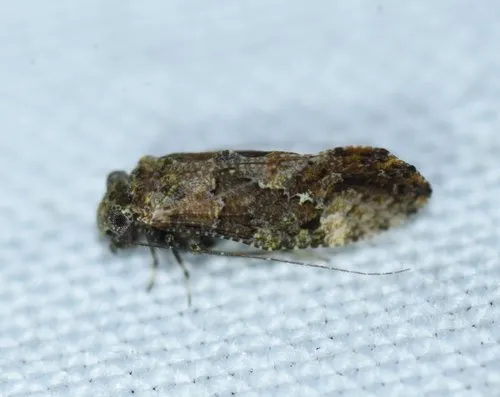
All females collected so far. Possibly parthenogenetic.
Classification
- Kingdom
- Animalia
- Phylum
- Arthropoda
- Class
- Insecta
- Order
- Psocodea (Barklice, Booklice, and Parasitic Lice)
- Suborder
- Psocomorpha
- Family
- Myopsocidae (Mouse-like Barklice)
- Genus
- Myopsocus
Imported taxonomy record. Source availability varies; see the source references and editorial policy below.
Habitat and Range
Habitat
Collected on live oak, slash pine, bromeliads.
Geographic Range
penninsular Florida
About Barklice, Booklice, and Parasitic Lice: the wider group
Order-level background for Psocodea, the group containing Myopsocus antillanus. Species-specific details appear above.
Group overview
Psocodea includes ~11,000 described species of booklice, barklice, and parasitic lice. Booklice (Psocoptera) are among the most common household insects, thriving in humid environments where they feed on mold and fungi.
Ecological role of the group
Barklice are important decomposers that feed on algae, lichens, and fungi on tree bark. They help recycle nutrients in forest ecosystems. Parasitic lice have co-evolved with their hosts for millions of years, providing insights into host evolutionary history.
Economic and practical significance of the group
Head lice (Pediculus humanus capitis) affect an estimated 6-12 million children aged 3-11 in the U.S. annually (CDC). The U.S. lice treatment market is valued at over $1 billion per year.
Recorded sources for this group: CDC, dermatology research, entomology textbooks. Imported estimates may describe particular regions or reporting periods.
Photos of Myopsocus antillanus (Mockford) (3)
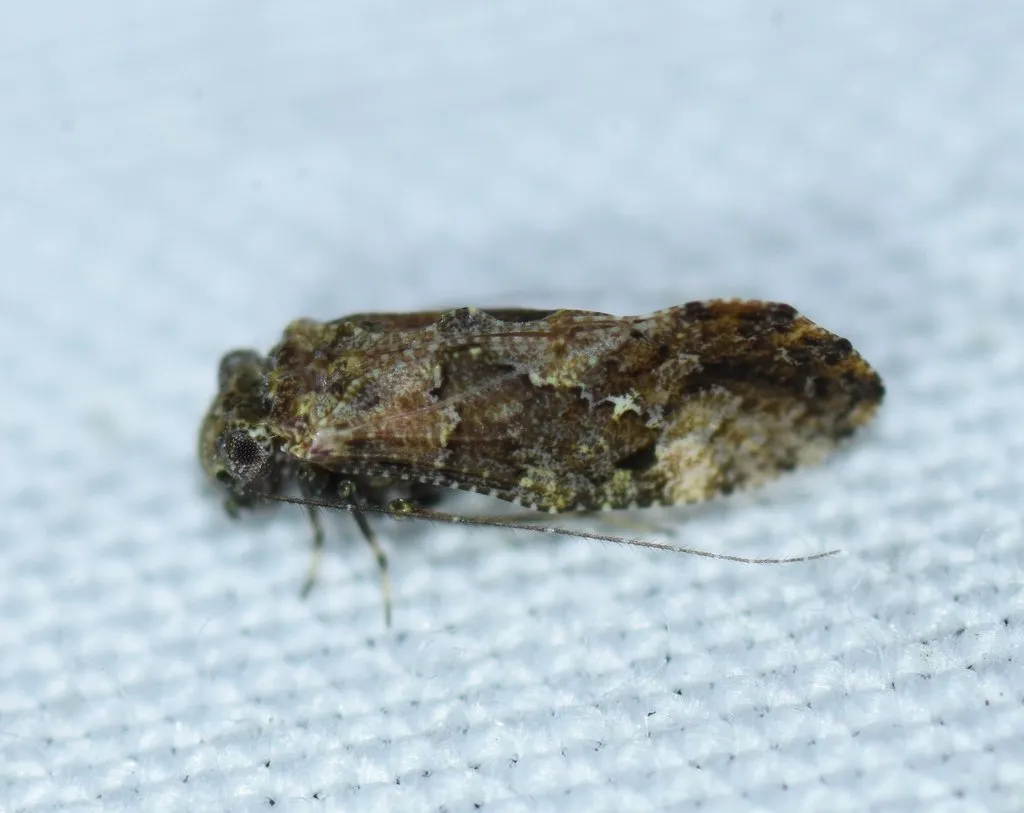
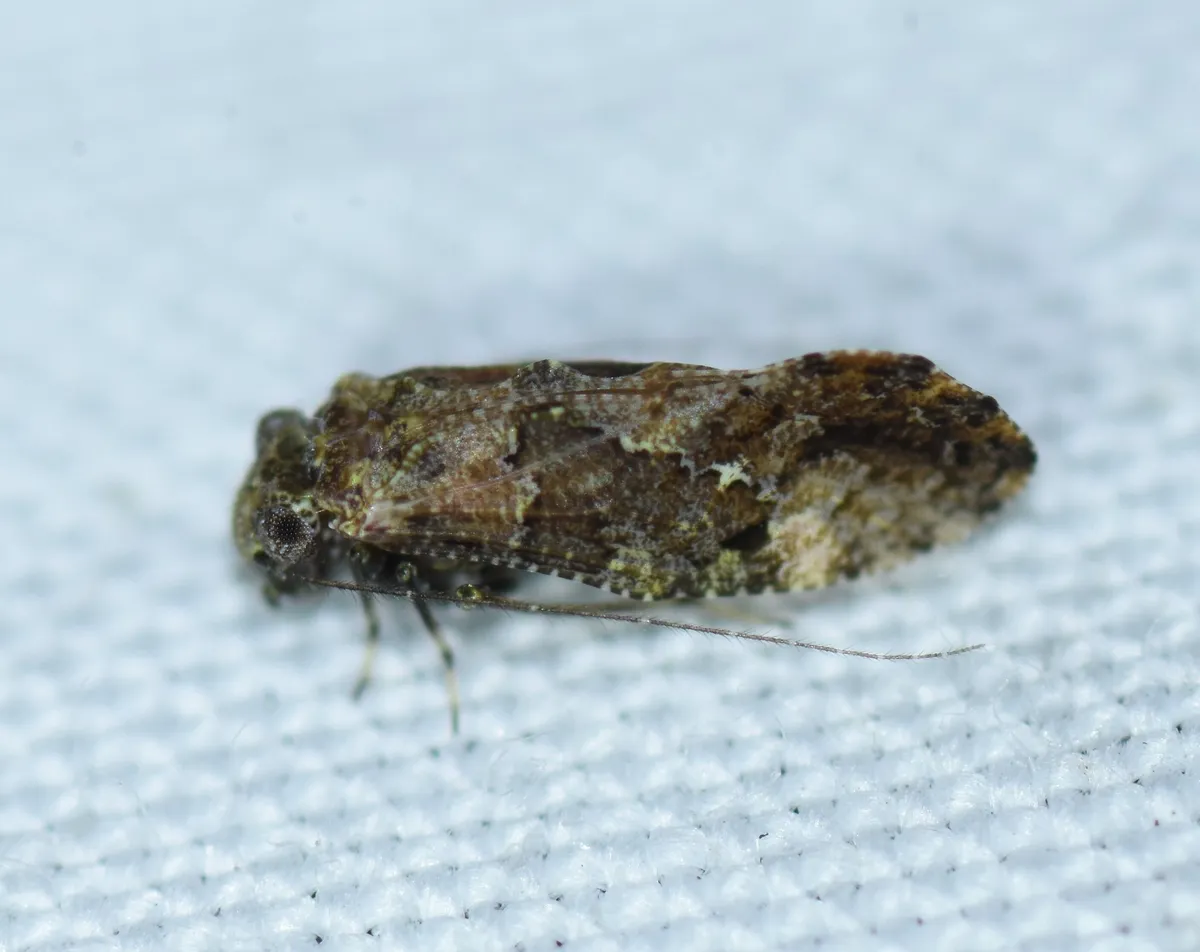
Photo credits: Contributed by Diane Young