
Milky Crystal Snail
Vitrea contracta
This record describes Vitrea contracta (species). Recorded family: Pristilomatidae. Recorded order: Pulmonata.
Identification and Appearance
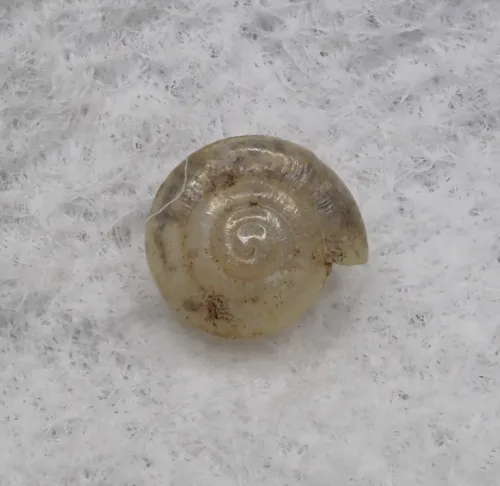
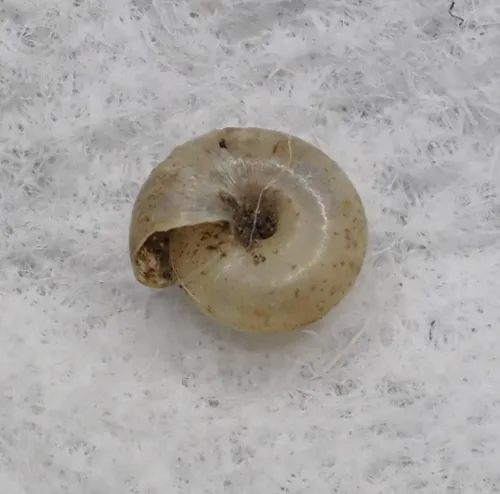
A small tightly-coiled snail 2.2-2.6mm in diameter. The shell is glassy and transparent but frequently appears 'milky'. The aperture is moon-shaped and without teeth. Vitrea crystalina (Common Crystal Snail) is similar but can be separated, being larger (3-4mm) and having the last whorl widen to the mouth. It also tends to be found in wetter habitats. Deciduous woodlands, grasslands, pastures, hedgerows and rocky areas. Prefers calcareous soil and is tolerant of drier conditions. Common and widespread across all of the UK. Probably reasonably common but under-recorded due to its small size. No additional images available for this species.
Classification
- Kingdom
- Animalia
- Phylum
- Arthropoda
- Order
- Pulmonata
- Family
- Pristilomatidae
- Genus
- Vitrea
Imported taxonomy record. Source availability varies; see the source references and editorial policy below.
Habitat and Range
Habitat
Deciduous woodlands, grasslands, pastures, hedgerows and rocky areas. Prefers calcareous soil and is tolerant of drier conditions.
Seasonal Activity
All year.
Additional species information
Recorded status
Common and widespread across all of the UK.
About Pulmonata: the wider group
Order-level background for Pulmonata, the group containing Vitrea contracta. Species-specific details appear above.
Group overview
Pulmonata includes terrestrial and freshwater snails and slugs with ~30,000 described species. The giant African land snail (Lissachatina fulica) can reach 20cm and is one of the most invasive species globally.
Ecological role of the group
Terrestrial gastropods are important decomposers and calcium recyclers in forest ecosystems. They are also critical food sources for birds, hedgehogs, and beetles. Many species are hermaphrodites, possessing both male and female reproductive organs.
Economic and practical significance of the group
Slugs and snails cause billions in crop damage worldwide. The global molluscicide market was valued at $800 million in 2023. Conversely, edible snails (escargot) support a global industry worth over $4 billion annually.
Recorded sources for this group: FAO, agricultural pest management, gastropod research. Imported estimates may describe particular regions or reporting periods.
Photos of Milky Crystal Snail (2)
Frequently Asked Questions About Milky Crystal Snail
What is Milky Crystal Snail?
Milky Crystal Snail (Vitrea contracta) is a species in the family Pristilomatidae, within the order Pulmonata.
Where is Milky Crystal Snail found?
Habitat: Deciduous woodlands, grasslands, pastures, hedgerows and rocky areas. Prefers calcareous soil and is tolerant of drier conditions.
When is Milky Crystal Snail active?
Milky Crystal Snail: seasonal activity - All year..