
Microbisium parvulum
This record describes Microbisium parvulum (species). Recorded family: Neobisiidae. Recorded order: Pseudoscorpionida.
Identification and Appearance
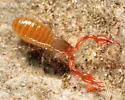
Classification
- Kingdom
- Animalia
- Phylum
- Arthropoda
- Class
- Arachnida
- Order
- Pseudoscorpionida (Pseudoscorpions)
- Suborder
- Iocheirata
- Superfamily
- Neobisioidea
- Family
- Neobisiidae
- Genus
- Microbisium
Imported taxonomy record. Source availability varies; see the source references and editorial policy below.
Habitat and Range
Habitat
Deciduous forest litter & soil.
Geographic Range
Widespread across USA and southern Canada.
About Pseudoscorpions: the wider group
Order-level background for Pseudoscorpionida, the group containing Microbisium parvulum. Species-specific details appear above.
Group overview
Pseudoscorpionida includes ~3,500 described species. These tiny arachnids (2-8mm) look like miniature scorpions with large pincers but no tail stinger. They are completely harmless and mostly unseen by humans due to their small size.
Ecological role of the group
Many pseudoscorpion species practice phoresy - they hitch rides by grabbing onto the legs of beetles and flies with their pincers to disperse to new habitats. They produce silk from glands in their jaws (chelicerae) to build brood chambers.
Economic and practical significance of the group
Pseudoscorpions are beneficial predators that feed on booklice, mites, clothes moth larvae, and other household pests. The book scorpion (Chelifer cancroides) has been associated with human dwellings for centuries.
Recorded sources for this group: Arachnological research. Imported estimates may describe particular regions or reporting periods.
Photos of Microbisium parvulum (5)
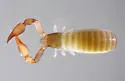
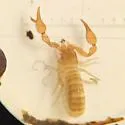
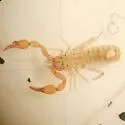
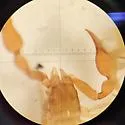
Photo credits: Contributed by tom murray