
Hyacinth Glider
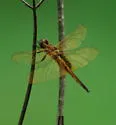
Miathyria marcella
This record describes Miathyria marcella (species). Recorded family: Libellulidae. Recorded order: Odonata.
Identification and Appearance
Classification
- Kingdom
- Animalia
- Phylum
- Arthropoda
- Class
- Insecta
- Order
- Odonata (Dragonflies and Damselflies)
- Suborder
- Anisoptera
- Family
- Libellulidae (Skimmers)
- Genus
- Miathyria
Imported taxonomy record. Source availability varies; see the source references and editorial policy below.
Habitat and Range
Geographic Range
Mexico, Central and South America all the way to Argentina, but was not reported from the United States until 1950. Probably introduced with water hyacinth ( Eichhornia ). As far north as Virginia.
About Dragonflies and Damselflies: the wider group
Order-level background for Odonata, the group containing Miathyria marcella. Species-specific details appear above.
Group overview
Odonata includes ~6,000 described species of dragonflies and damselflies. Dragonflies are among the fastest flying insects, reaching 36 mph (58 km/h). They can fly in any direction including backward, and hover in place - each wing operates independently.
Ecological role of the group
Dragonflies predate dinosaurs by nearly 100 million years - fossils date to 325 million years ago. The largest dragonfly ancestor, Meganeuropsis permiana (285 mya), had a 75cm wingspan, enabled by atmospheric oxygen levels of 31-35% compared to today's 21%. Dragonflies have a 95% hunting success rate - the highest of any predator.
Economic and practical significance of the group
Dragonflies are voracious predators that consume hundreds of mosquitoes daily, providing natural pest control worth millions in reduced mosquito-borne disease risk. A single dragonfly can eat 30 to hundreds of mosquitoes per day.
Recorded sources for this group: Natural History Museum London, Britannica, fossil record research. Imported estimates may describe particular regions or reporting periods.
Photos of Hyacinth Glider (5)
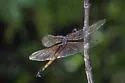
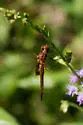
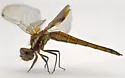
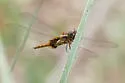
Photo credits: Contributed by john and jane balaban; Additional contributions by Beatriz Moisset , jforbes