
Western Seaslater
Ligia occidentalis
This record describes Ligia occidentalis (species). Recorded family: Ligiidae. Recorded order: Isopoda.
Identification and Appearance
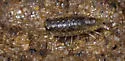
distinguished from L. pallasi by the much longer uropods; eyes larger & closer together (1 eye diameter apart); body much sleeker; and the tendency to bolt when disturbed
Classification
Habitat and Range
Geographic Range
central CA; Vancouver, BC area (introduced)
Additional species information
Species notes from the sources
Etymology: Ligia occidentalis Dana 1853
About Isopods: the wider group
Order-level background for Isopoda, the group containing Ligia occidentalis. Species-specific details appear above.
Group overview
Isopoda includes ~10,000 described species of woodlice, pill bugs, and sea slaters. Woodlice are the only crustaceans to have fully adapted to life on land. Pill bugs (roly-polies) can roll into a perfect ball for defense.
Ecological role of the group
Woodlice are critical soil decomposers, breaking down dead plant material and recycling calcium and other nutrients. They breathe through gill-like structures and require moist environments. Giant deep-sea isopods (Bathynomus) can grow up to 50cm long.
Economic and practical significance of the group
Woodlice are generally beneficial in gardens as decomposers, though they can occasionally damage seedlings and soft fruits in large numbers.
Recorded sources for this group: Soil ecology research, marine biology. Imported estimates may describe particular regions or reporting periods.
Photos of Western Seaslater (5)
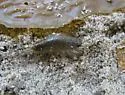
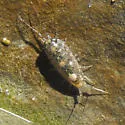
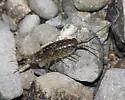
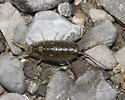
Photo credits: Contributed by Harsi S. Parker; Additional contributions by v belov , Astrobirder
Frequently Asked Questions About Western Seaslater
What is Western Seaslater?
Western Seaslater (Ligia occidentalis) is a species in the family Ligiidae, within the order Isopoda.
How do you identify Western Seaslater?
distinguished from L. pallasi by the much longer uropods; eyes larger & closer together (1 eye diameter apart); body much sleeker; and the tendency to bolt when disturbed
Where is Western Seaslater found?
Range: central CA; Vancouver, BC area (introduced)