
Julus scandinavius
This record describes Julus scandinavius (species). Recorded family: Julidae. Recorded order: Julida.
Identification and Appearance
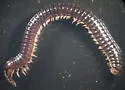
Larger than Ophyiulus pilosus , with a stouter epiproct. Males have elongate coxal processes on the second leg pair which are somewhat spoon-shaped.
Classification
Habitat and Range
Geographic Range
Native to Europe, adventive in our area; Shelley (1988) reports it from Cambridge, MA; Lincoln, MA; Westchester County, NY; and Acadia National Park, ME.
Additional species information
Species notes from the sources
Etymology: Julus scandinavius (Latzel 1884)
About Julida: the wider group
Order-level background for Julida, the group containing Julus scandinavius. Species-specific details appear above.
Group overview
Julida is the largest millipede order in temperate regions with ~750 described species. The spotted snake millipede (Blaniulus guttulatus) is a common garden species across Europe and North America.
Ecological role of the group
Julid millipedes are critical soil engineers that fragment leaf litter and mix organic material into deeper soil layers. They consume their own fecal pellets (coprophagy) to extract maximum nutrients from plant material.
Economic and practical significance of the group
Some Julida species are significant agricultural pests - the spotted snake millipede damages strawberries, sugar beet, potatoes, and other root crops by feeding on seeds and seedlings.
Recorded sources for this group: Agricultural entomology, soil ecology research. Imported estimates may describe particular regions or reporting periods.
Photos of Julus scandinavius (2)
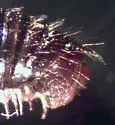
Photo credits: Contributed by Derek Hennen; Additional contributions by v belov
Frequently Asked Questions About Julus scandinavius
What is Julus scandinavius?
Julus scandinavius is a species in the family Julidae, within the order Julida.
How do you identify Julus scandinavius?
Larger than Ophyiulus pilosus , with a stouter epiproct. Males have elongate coxal processes on the second leg pair which are somewhat spoon-shaped.
Where is Julus scandinavius found?
Range: Native to Europe, adventive in our area; Shelley (1988) reports it from Cambridge, MA; Lincoln, MA; Westchester County, NY; and Acadia National Park, ME.