
Hypochthonius rufulus
This record describes Hypochthonius rufulus (species). Recorded family: Hypochthoniidae. Recorded order: Oribatida.
Identification and Appearance
Classification
- Kingdom
- Animalia
- Phylum
- Arthropoda
- Class
- Arachnida
- Order
- Oribatida (Oribatids)
- Suborder
- Enarthronota
- Family
- Hypochthoniidae
- Genus
- Hypochthonius
Imported taxonomy record. Source availability varies; see the source references and editorial policy below.
Habitat and Range
Geographic Range
widespread in Canada --and apparently in the US
About Oribatids: the wider group
Order-level background for Oribatida, the group containing Hypochthonius rufulus. Species-specific details appear above.
Group overview
Oribatida (oribatid mites / beetle mites) includes ~11,000 described species, making them one of the most species-rich mite orders. They are among the most abundant soil arthropods, with densities of up to 400,000 per square meter in forest soils.
Ecological role of the group
Oribatid mites are primary decomposers in soil ecosystems, breaking down leaf litter and fungal material. They have remarkably long generation times for arthropods - some species take 1-2 years to develop from egg to adult.
Economic and practical significance of the group
Oribatid mites are intermediate hosts for several tapeworm species that can infect livestock. They are widely used as bioindicators of soil health and pollution in environmental monitoring programs.
Recorded sources for this group: Soil acarology research, veterinary parasitology. Imported estimates may describe particular regions or reporting periods.
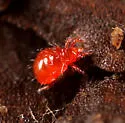
Photos of Hypochthonius rufulus (3)
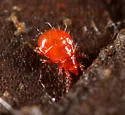
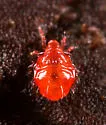
Photo credits: Contributed by v belov