
Bar-sided Darner
Gynacantha mexicana
This record describes Gynacantha mexicana (species). Recorded family: Aeshnidae. Recorded order: Odonata.
Identification and Appearance
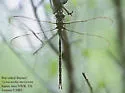
Most readily distinguished by the brown stripe along the leading edge of all four wings, though some individuals apparently lack this marking.
Classification
Habitat and Range
Habitat
Breeds in ephemeral, fish-free pools. Adults mostly found roosting in dense scrub forest.
Geographic Range
Hidalgo & Cameron Counties, Texas - Map , Mex.
Seasonal Activity
In Texas, adults documented every month of the year (see Odonata Central and iNaturalist) but mostly June-December
Additional species information
Species notes from the sources
Etymology: Gynacantha mexicana Selys, 1868 Common name actually comes not from the conspicuous wing bars, but from a much less visible (but more consistently present) dark brown bar on the lower rear side of the thorax.
About Dragonflies and Damselflies: the wider group
Order-level background for Odonata, the group containing Gynacantha mexicana. Species-specific details appear above.
Group overview
Odonata includes ~6,000 described species of dragonflies and damselflies. Dragonflies are among the fastest flying insects, reaching 36 mph (58 km/h). They can fly in any direction including backward, and hover in place - each wing operates independently.
Ecological role of the group
Dragonflies predate dinosaurs by nearly 100 million years - fossils date to 325 million years ago. The largest dragonfly ancestor, Meganeuropsis permiana (285 mya), had a 75cm wingspan, enabled by atmospheric oxygen levels of 31-35% compared to today's 21%. Dragonflies have a 95% hunting success rate - the highest of any predator.
Economic and practical significance of the group
Dragonflies are voracious predators that consume hundreds of mosquitoes daily, providing natural pest control worth millions in reduced mosquito-borne disease risk. A single dragonfly can eat 30 to hundreds of mosquitoes per day.
Recorded sources for this group: Natural History Museum London, Britannica, fossil record research. Imported estimates may describe particular regions or reporting periods.
Photos of Bar-sided Darner (5)
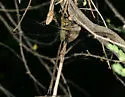
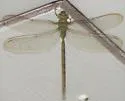
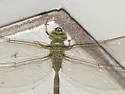
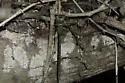
Photo credits: Contributed by Joshua Stuart Rose; Additional contributions by cotinis , Mike Quinn
Frequently Asked Questions About Bar-sided Darner
What is Bar-sided Darner?
Bar-sided Darner (Gynacantha mexicana) is a species in the family Aeshnidae, within the order Odonata.
How big is Bar-sided Darner?
70-76 mm
How do you identify Bar-sided Darner?
Most readily distinguished by the brown stripe along the leading edge of all four wings, though some individuals apparently lack this marking.
Where is Bar-sided Darner found?
| Feature | Details |
|---|---|
| Habitat | Breeds in ephemeral, fish-free pools. Adults mostly found roosting in dense scrub forest. |
| Range | Hidalgo & Cameron Counties, Texas - Map , Mex. |
When is Bar-sided Darner active?
Bar-sided Darner: seasonal activity - In Texas, adults documented every month of the year (see Odonata Central and iNaturalist) but mostly June-December.