
Freshwater Nerite
Theodoxus fluviatilis
This record describes Theodoxus fluviatilis (species). Recorded family: Neritidae. Recorded order: Cycloneritimorpha.
Identification and Appearance
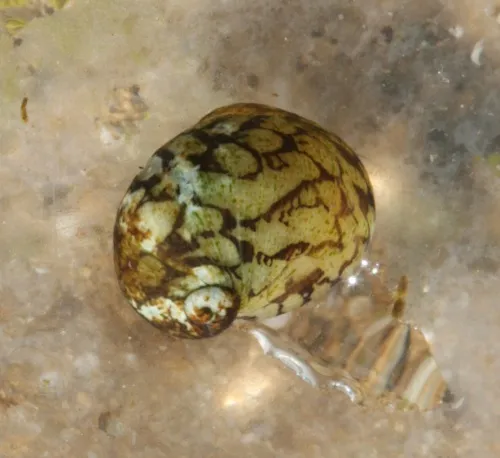
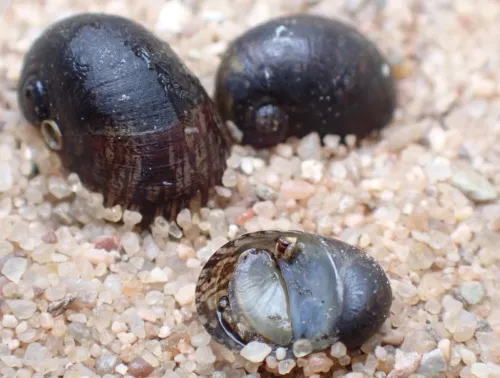
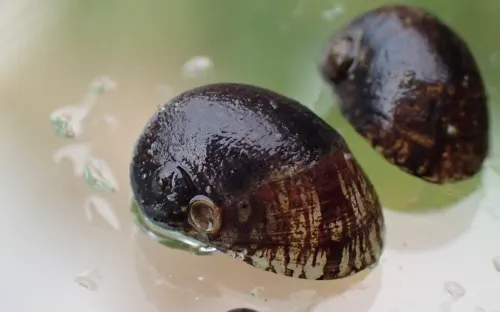
Shell size 4 to 8 mm. The shells are very attractively and highly patterned but are very variable in appearance, usually having a combination of creamy white and dark browns. Found in lakes, rivers and streams – even in slightly brackish water. Widespread and fairly frequent in central and southern England, less common elsewhere in Britain. No additional images available for this species.
Classification
- Kingdom
- Animalia
- Phylum
- Arthropoda
- Order
- Cycloneritimorpha
- Family
- Neritidae
- Genus
- Theodoxus
Imported taxonomy record. Source availability varies; see the source references and editorial policy below.
Habitat and Range
Habitat
Found in lakes, rivers and streams – even in slightly brackish water.
Seasonal Activity
All year round.
Diet and Behavior
Life History
This species is an algae eater.
Additional species information
Recorded status
Widespread and fairly frequent in central and southern England, less common elsewhere in Britain.
About Cycloneritimorpha: the wider group
Order-level background for Cycloneritimorpha, the group containing Theodoxus fluviatilis. Species-specific details appear above.
Group overview
This is a smaller arthropod order with specialized ecological roles. Arthropods are the most diverse animal phylum, comprising over 80% of all known animal species with approximately 1.2 million described species globally.
Ecological role of the group
Members of this order contribute to broader arthropod ecosystem functions including decomposition, predation, and serving as food sources for vertebrates. Arthropod biodiversity is essential for ecosystem resilience.
Economic and practical significance of the group
While this order has limited direct economic impact, arthropods collectively provide ecosystem services worth trillions of dollars annually through pollination, decomposition, pest control, and nutrient cycling.
Recorded sources for this group: General entomology and arthropod research. Imported estimates may describe particular regions or reporting periods.
Photos of Freshwater Nerite (6)
Frequently Asked Questions About Freshwater Nerite
What is Freshwater Nerite?
Freshwater Nerite (Theodoxus fluviatilis) is a species in the family Neritidae, within the order Cycloneritimorpha.
How big is Freshwater Nerite?
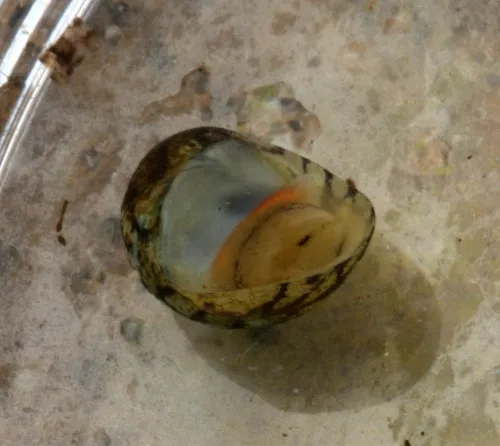
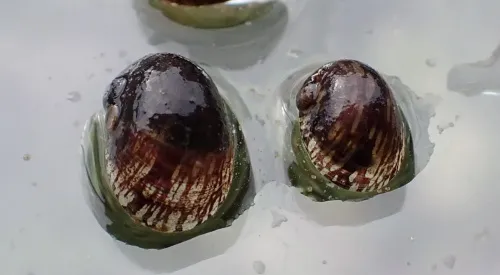
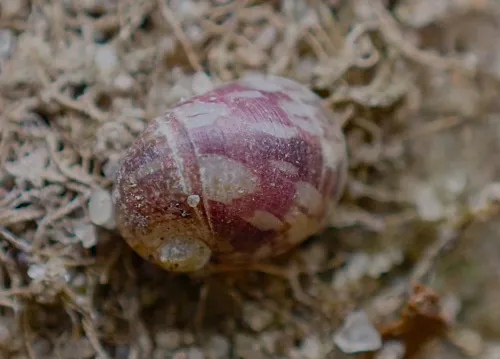
4 to 8 mm. The shells are very attractively and highly patterned but are very variable in appearance, usually having a combination of creamy white and dark browns.
Where is Freshwater Nerite found?
Habitat: Found in lakes, rivers and streams – even in slightly brackish water.
When is Freshwater Nerite active?
Freshwater Nerite: seasonal activity - All year round..
What is the life cycle of a Freshwater Nerite?
This species is an algae eater.