
Dendrocephalus proeliator
This record describes Dendrocephalus proeliator (species). Recorded family: Thamnocephalidae. Recorded order: Anostraca.
Identification and Appearance
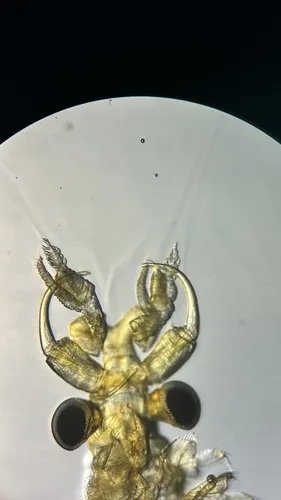
Identification notes
Key to species
Classification
- Kingdom
- Animalia
- Phylum
- Arthropoda
- Class
- Branchiopoda
- Order
- Anostraca (Brine Shrimp and Fairy Shrimp)
- Family
- Thamnocephalidae
- Genus
- Dendrocephalus
Imported taxonomy record. Source availability varies; see the source references and editorial policy below.
Habitat and Range
Habitat
Temporary pools in calcarous wet prairie, with sandy soils.
Geographic Range
South FL
Additional species information
Species notes from the sources
Etymology: 'proeliator’ is Latin for ‘warrior'
About Brine Shrimp and Fairy Shrimp: the wider group
Order-level background for Anostraca, the group containing Dendrocephalus proeliator. Species-specific details appear above.
Group overview
Anostraca (fairy shrimp and brine shrimp) includes ~300 described species. Brine shrimp (Artemia) eggs can survive complete desiccation for decades - NASA has even hatched them after spaceflight exposure.
Ecological role of the group
Fairy shrimp inhabit temporary pools that fill with seasonal rains. Their drought-resistant eggs can remain viable in dry soil for 10-20 years, hatching when conditions are right. They are critical food sources for migratory waterbirds.
Economic and practical significance of the group
Brine shrimp are a $1.6 billion industry - their eggs (cysts) are harvested from the Great Salt Lake in Utah and sold worldwide as fish food in aquaculture. Sea-Monkeys, the iconic toy, are actually brine shrimp (Artemia).
Recorded sources for this group: Great Salt Lake ecology, aquaculture industry, NASA. Imported estimates may describe particular regions or reporting periods.
Photos of Dendrocephalus proeliator (3)
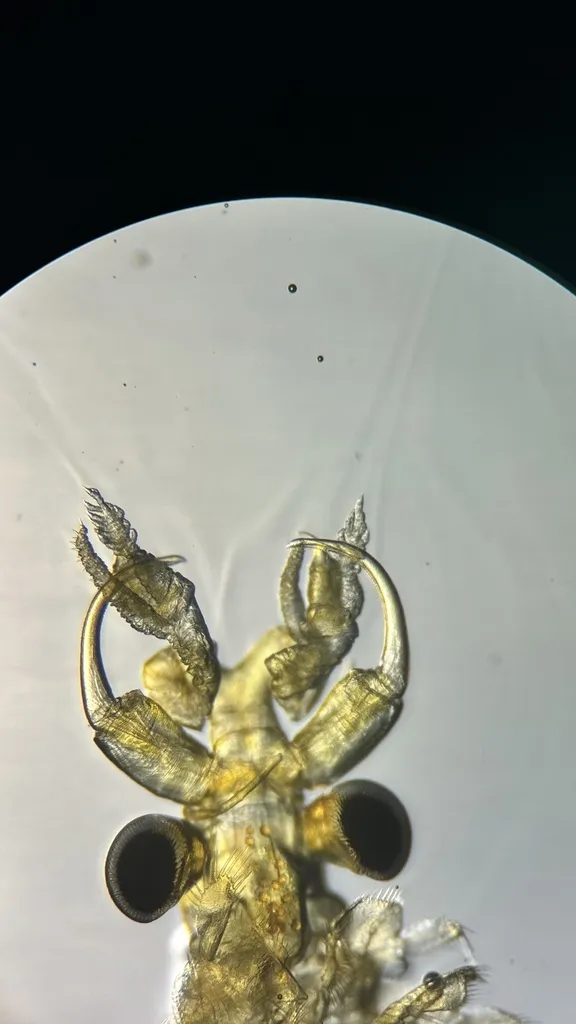
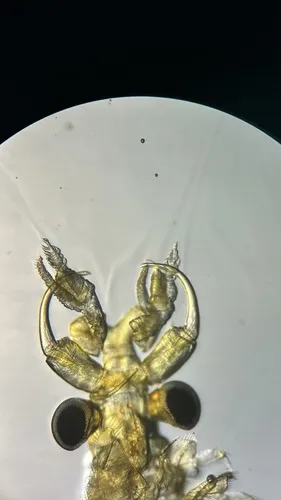
Photo credits: (c) Irving, some rights reserved (CC BY-NC), uploaded by Irving | Contributed by metrioptera; Additional contributions by Edward Ruden