
Pandora Moth - Hodges#7724
Coloradia pandora
This record describes Coloradia pandora (species). Recorded family: Saturniidae. Recorded order: Lepidoptera.
Identification and Appearance
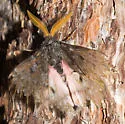
Adult: forewing speckled gray with black zigzag PM and ST lines that sometimes touch; reniform spot represented by a black discal dot; AM line black, jagged, but does not touch reniform spot; hindwing white with diffuse dark median line, black discal spot, and varying amounts of pink at base and along inner margin Larvae are prepared and eaten by Paiute natives in California. For more info, see the brief account at Wikipedia, or more detailed journal articles like Aboriginal Exploitation of Pandora Moth Larvae in East-Central California or Harvesting Pandora Moth Larvae with the Owens Valley Paiute .
Classification
- Kingdom
- Animalia
- Phylum
- Arthropoda
- Class
- Insecta
- Order
- Lepidoptera (Butterflies and Moths)
- Superfamily
- Bombycoidea
- Family
- Saturniidae (Giant Silkworm and Royal Moths)
- Subfamily
- Hemileucinae
- Tribe
- Hemileucini
- Genus
- Coloradia
Imported taxonomy record. Source availability varies; see the source references and editorial policy below.
Habitat and Range
Habitat
Pine forests
Geographic Range
Western United States
Seasonal Activity
Adults fly from July to September
Diet and Behavior
Diet: Larvae feed on the leaves ("needles") of various species of pine ( Pinus ). Particular host records include: Ponderosa pine ( Pinus ponderosa ), Jeffrey pine ( P. jeffreyi ), lodgepole pine ( P. contorta ), sugar pine ( P. lambertiana ), pinyon pine ( P. edulis ), and Coulter pine ( P. coulteri ). Adults do not feed.
Life History
Two years are required to complete development. Second- or third-stage caterpillars overwinter the first year in tight clusters, resume feeding in the spring, pupate in June or July, and spend the second winter in underground pupation chambers lined with silk and plant litter. Some can remain in the pupal stage for up to 5 years before emerging as adults. [copied from text at butterfliesandmoths.org]
About Butterflies and Moths: the wider group
Order-level background for Lepidoptera, the group containing Coloradia pandora. Species-specific details appear above.
Group overview
Lepidoptera includes approximately 180,000 described species of butterflies and moths. Moths outnumber butterflies roughly 10:1. The monarch butterfly's eastern population has declined by more than 80% since the mid-1990s, and the western population by over 95% since the 1980s. The IUCN lists the migratory monarch as Vulnerable.
Ecological role of the group
Butterflies and moths are essential indicators of ecosystem health. As caterpillars, they are a primary food source for birds - a single nest of blue tit chicks requires ~10,000 caterpillars. Adult moths pollinate many night-blooming plants.
Economic and practical significance of the group
Lepidoptera are critical pollinators. In Europe, grassland butterfly species have declined by almost 50% since the early 1990s. In the UK, three-quarters of butterflies are in decline. In the U.S., five butterfly species have gone extinct since 1950, with 29 listed as endangered.
Recorded sources for this group: IUCN Red List, Xerces Society, USFWS, PNAS, WWF. Imported estimates may describe particular regions or reporting periods.
Photos of Pandora Moth - Hodges#7724 (5)
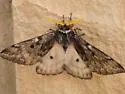
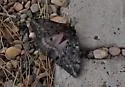
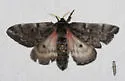
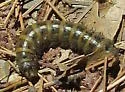
Photo credits: Contributed by Robin McLeod; Additional contributions by Aaron Schusteff , Steve Morris
Frequently Asked Questions About Pandora Moth - Hodges#7724
What is Pandora Moth - Hodges#7724?
Pandora Moth - Hodges#7724 (Coloradia pandora) is a species in the family Saturniidae, within the order Lepidoptera.
How big is Pandora Moth - Hodges#7724?
Wingspan 70-98 mm; male considerably smaller than female
How do you identify Pandora Moth - Hodges#7724?
Adult: forewing speckled gray with black zigzag PM and ST lines that sometimes touch; reniform spot represented by a black discal dot; AM line black, jagged, but does not touch reniform spot; hindwing white with diffuse dark median line, black discal spot, and varying amounts of pink at base and along inner margin
Where is Pandora Moth - Hodges#7724 found?
| Feature | Details |
|---|---|
| Habitat | Pine forests |
| Range | Western United States |
What does Pandora Moth - Hodges#7724 eat?
The diet of the Pandora Moth - Hodges#7724 includes Larvae feed on the leaves (needles) of various species of pine ( Pinus ). Particular host records include: Ponderosa pine ( Pinus ponderosa ), Jeffrey pine ( P. jeffreyi ), lodgepole pine ( P. contorta ), sugar pine ( P. lambertiana ), pinyon pine ( P. edulis ), and Coulter pine ( P. coulteri ). Adults do not feed..
When is Pandora Moth - Hodges#7724 active?
Pandora Moth - Hodges#7724: seasonal activity - Adults fly from July to September.
What is the life cycle of a Pandora Moth - Hodges#7724?
Two years are required to complete development. Second- or third-stage caterpillars overwinter the first year in tight clusters, resume feeding in the spring, pupate in June or July, and spend the second winter in underground pupation chambers lined with silk and plant litter. Some can remain in the pupal stage for up to 5 years before emerging as adults. [copied from text at butterfliesandmoths.org]