
Cambala annulata
This record describes Cambala annulata (species). Recorded family: Cambalidae. Recorded order: Spirostreptida.
Identification and Appearance
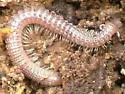
Classification
- Kingdom
- Animalia
- Phylum
- Arthropoda
- Class
- Diplopoda
- Order
- Spirostreptida
- Family
- Cambalidae
- Genus
- Cambala
Imported taxonomy record. Source availability varies; see the source references and editorial policy below.
Habitat and Range
Geographic Range
western PA to Jackson Co., FL (where FL, AL, & GA come together) and extends eastward to the inner Coastal Plain. It occurs sympatrically (together with) another species in the Blue Ridge Physiographic Province of NC & TN. It is a large-bodied species of Cambala as is the other in the Blue Ridge, but to the west from IL/IN to AL & TX, narrower-bodied species occur that are around the size of a pencil lead. Species of Cambala occur in caves in the Ozarks & TX, and surface members range northward through Colorado to Idaho & western Washington. The genus also occurs near the Pacific Coast in Oregon. ‒Rowland Shelley
Additional species information
Species notes from the sources
Etymology: Cambala annulata (Say 1821)
About Spirostreptida: the wider group
Order-level background for Spirostreptida, the group containing Cambala annulata. Species-specific details appear above.
Group overview
Spirostreptida includes ~1,000 described species, including the giant African millipede (Archispirostreptus gigas) which can reach 38cm (15 inches), the largest living millipede species.
Ecological role of the group
Giant millipedes are major decomposers in tropical forests - they consume and break down large volumes of decaying plant material, contributing significantly to soil nutrient cycling and humus formation.
Economic and practical significance of the group
Giant millipedes are popular exotic pets. The giant African millipede is one of the most commonly kept invertebrate pets worldwide. Some tropical species are collected for traditional medicine.
Recorded sources for this group: Pet trade, tropical ecology. Imported estimates may describe particular regions or reporting periods.
Photos of Cambala annulata (5)
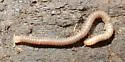
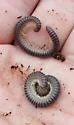
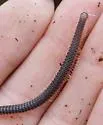
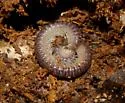
Photo credits: Contributed by john and jane balaban; Additional contributions by v belov