
Battigrassiella wheeleri
This record describes Battigrassiella wheeleri (species). Recorded family: Nicoletiidae. Recorded order: Zygentoma.
Identification and Appearance
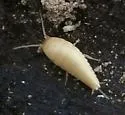
Currently the only species of the genus known north of Mexico.
Classification
- Kingdom
- Animalia
- Phylum
- Arthropoda
- Class
- Insecta
- Order
- Zygentoma (Silverfish)
- Family
- Nicoletiidae
- Genus
- Battigrassiella
Imported taxonomy record. Source availability varies; see the source references and editorial policy below.
Habitat and Range
Habitat
This species was described from Austin, Texas along with its association with Pachycondyla harpax (Formicidae). However, it was found again in Louisiana by Paclt with no host-ant relationship reported . Most genera related to the genus were found inside ant nests, but species in " Grassiella " are also reported from leaf litter, termite mounds, under stones or bark, and even caves. Researchers have expressed difficulty determining if there is an actual association due to limited data available. Even though the genus and its relatives are associated with many different subfamilies of ants, the same species can also be found in empty nests or without host species (Mendes, 2012).
Geographic Range
TX , LA
Additional species information
Species notes from the sources
Etymology: Battigrassiella wheeleri (Escherich 1905)
About Silverfish: the wider group
Order-level background for Zygentoma, the group containing Battigrassiella wheeleri. Species-specific details appear above.
Group overview
Zygentoma (silverfish and firebrats) includes ~400 described species. Silverfish are among the oldest living insect orders - they have remained virtually unchanged for over 400 million years, predating dinosaurs by 170 million years.
Ecological role of the group
In natural environments, silverfish are important decomposers of plant material. They undergo ametabolous development - they do not metamorphose and continue molting throughout their life, which can span 3-8 years.
Economic and practical significance of the group
Silverfish are common household pests that damage books, wallpaper, clothing, and stored foods by feeding on starch, cellulose, and protein. They can survive for up to a year without food.
Recorded sources for this group: Pest management research, paleontology. Imported estimates may describe particular regions or reporting periods.
Photos of Battigrassiella wheeleri (5)
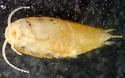
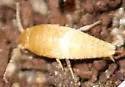
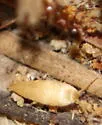
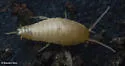
Photo credits: Contributed by Ken Schneider; Additional contributions by v belov , Arturo Santos
Frequently Asked Questions About Battigrassiella wheeleri
What is Battigrassiella wheeleri?
Battigrassiella wheeleri is a species in the family Nicoletiidae, within the order Zygentoma.
How do you identify Battigrassiella wheeleri?
Currently the only species of the genus known north of Mexico.
Where is Battigrassiella wheeleri found?
| Feature | Details |
|---|---|
| Habitat | This species was described from Austin, Texas along with its association with Pachycondyla harpax (Formicidae). However, it was found again in Louisiana by Paclt with no host-ant relationship reported . Most genera related to the genus were found inside ant nests, but species in Grassiella are also reported from leaf litter, termite mounds, under stones or bark, and even caves. Researchers have expressed difficulty determining if there is an actual association due to limited data available. Even though the genus and its relatives are associated with many different subfamilies of ants, the same species can also be found in empty nests or without host species (Mendes, 2012). |
| Range | TX , LA |