
Saratoga Spittlebug
Aphrophora saratogensis
This record describes Aphrophora saratogensis (species). Recorded family: Aphrophoridae. Recorded order: Hemiptera.
Identification and Appearance
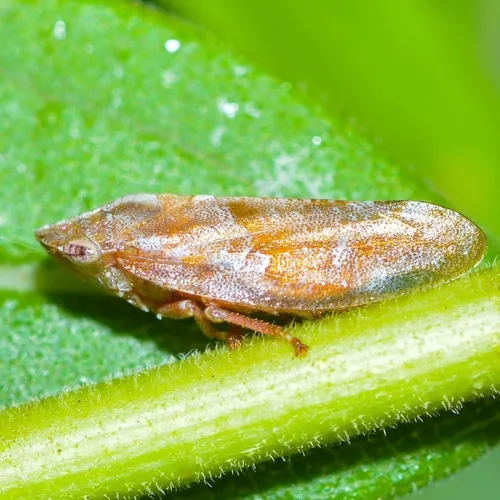
nymph Det. Kyle Kittelberger, 2022 Plantation grown trees are often more vulnerable than naturally grown ones.
Identification notes
nymph Det. Kyle Kittelberger, 2022
Wikipedia reference for Aphrophora saratogensis: http://en.wikipedia.org/wiki/Aphrophora_saratogensis.
Classification
- Kingdom
- Animalia
- Phylum
- Arthropoda
- Class
- Insecta
- Order
- Hemiptera (True Bugs, Cicadas, Hoppers, Aphids and Allies)
- Suborder
- Auchenorrhyncha
- Superfamily
- Cercopoidea
- Family
- Aphrophoridae (Aphrophorid Spittlebugs)
- Subfamily
- Aphrophorinae
- Tribe
- Aphrophorini
- Genus
- Aphrophora
Imported taxonomy record. Source availability varies; see the source references and editorial policy below.
Habitat and Range
Geographic Range
e. NA to AB - Map
Seasonal Activity
mostly: Apr-Sept ( 3 ) Adults active late June to late Sept in the Lake states ( 4 )
Diet and Behavior
Diet: Nymphs feed at/below ground level on lower stems of Sweet-fern ( Comptonia peregrina ), but will also feed on many other hosts, including broadleaved herbaceous plants, bushes, and tree seedlings; adults prefer Red pine ( Pinus resinosa ) and Jack pine ( P. banksiana ) but also feed on Eastern white pine ( P. strobus ) and Pitch pine ( P. rigida ) and may cause dieback and may eventually kill the tree Recently reported on hemlocks weakened by Adelges tsugae ( Fred Hilton's comment )
Life History
On red pine, eggs are laid under the outer scales of the buds on the upper part of the tree. On jack pine they are laid in the sheaths of current year's needles or under the bark of dead twigs. ( 4 ) They overwinter as eggs and hatch in the spring as buds begin to elongate. ( 4 ) Young nymphs crawl to the ground and feed at the base of alternate host stems, forming spittle masses. These are often covered by litter. The nymphs mature in 40-70 days (weather dependent) then climb to the upper parts and transform to adults. The adults fly to the pine hosts and begin feeding on the needle bearing twigs. ( 4 ) They feed by inserting their mouth parts into the cortex of new and old shoots, mostly on 2-year-old nodes and extracting sap; this created the necrotic resin-filled pockets in the cambium. ( 4 )
Additional species information
Species notes from the sources
Etymology: Aphrophora saratogensis (Fitch 1851)
About True Bugs, Cicadas, Hoppers, Aphids and Allies: the wider group
Order-level background for Hemiptera, the group containing Aphrophora saratogensis. Species-specific details appear above.
Group overview
Hemiptera (true bugs) includes over 80,000 described species across cicadas, aphids, leafhoppers, shield bugs, and bed bugs. Aphids alone cost global agriculture an estimated $2.5 billion annually in crop losses.
Ecological role of the group
Many Hemiptera are essential food sources for birds and predatory insects. Cicadas provide massive nutrient pulses during emergence events - a single Brood X emergence can involve trillions of individuals across 15 states.
Economic and practical significance of the group
The brown marmorated stink bug (Halyomorpha halys) caused $37 million in apple crop losses in a single year in the U.S. Mid-Atlantic region. Bed bug infestations in the U.S. increased by 500% between 2001-2010, costing the hotel industry hundreds of millions annually.
Recorded sources for this group: USDA, EPA, University research. Imported estimates may describe particular regions or reporting periods.
Photos of Saratoga Spittlebug (3)
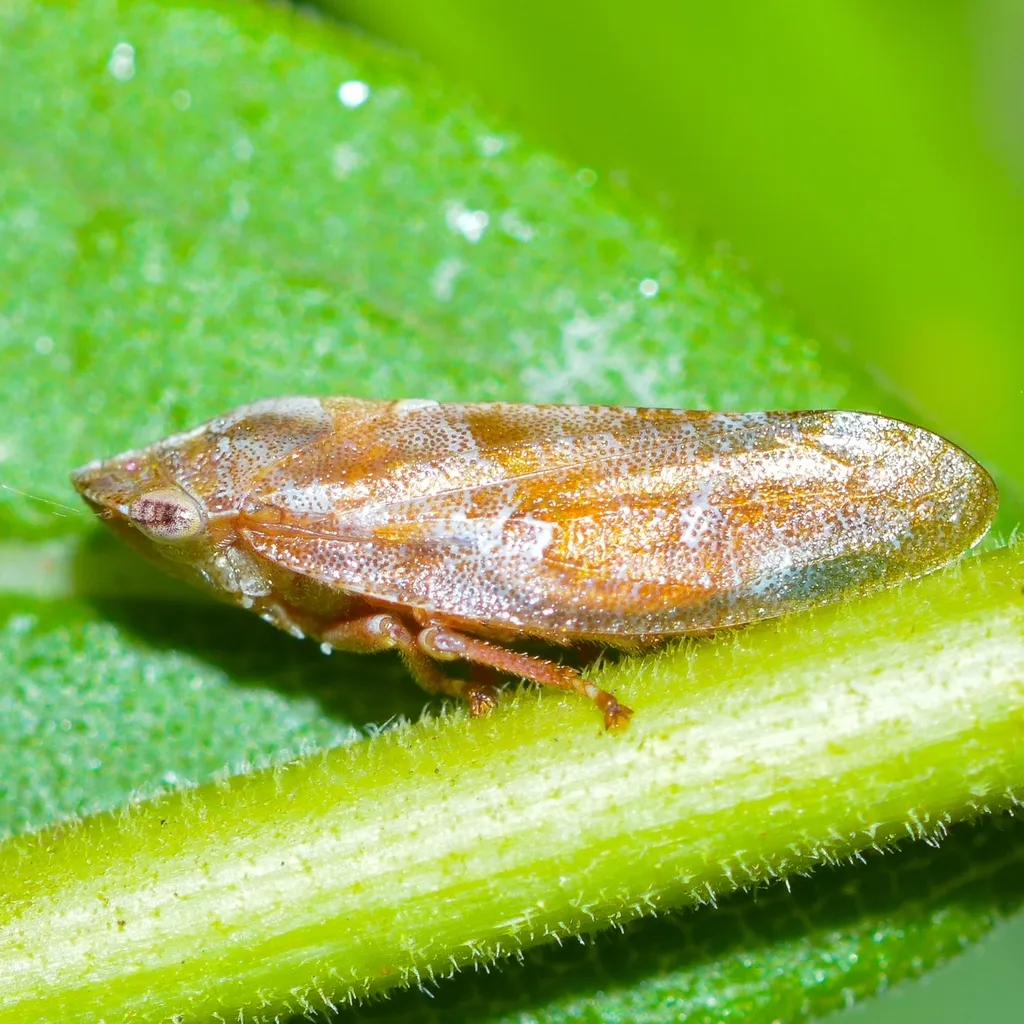
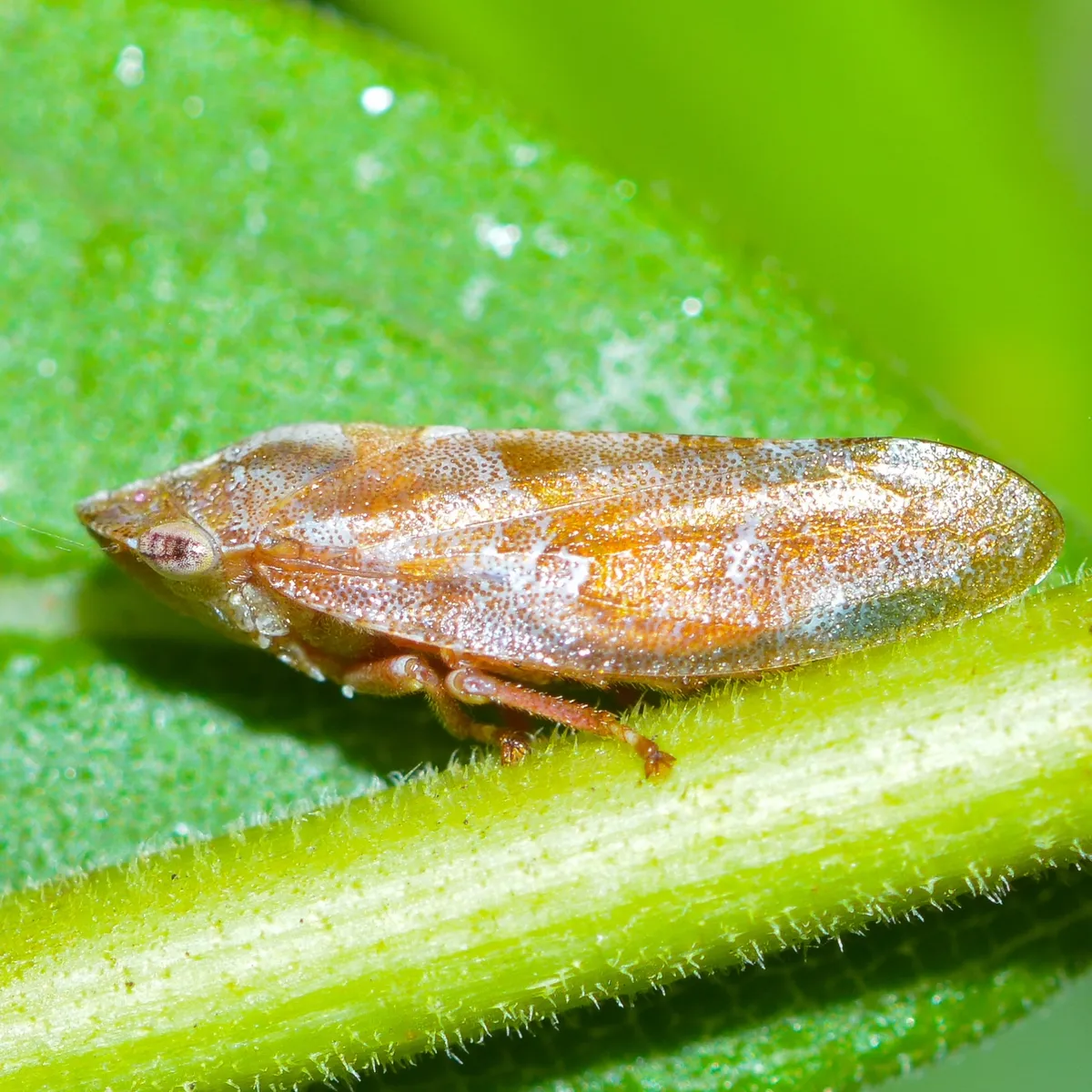
Photo credits: Contributed by john and jane balaban; Additional contributions by Beatriz Moisset , Mike Quinn , Claude Pilon , v belov , Marci Hess , antarctica
Frequently Asked Questions About Saratoga Spittlebug
What is Saratoga Spittlebug?
Saratoga Spittlebug (Aphrophora saratogensis) is a species in the family Aphrophoridae, within the order Hemiptera.
How big is Saratoga Spittlebug?
♂ 7.9-10.8 mm, ♀ 9.0-11.2 mm
How do you identify Saratoga Spittlebug?
nymph Det. Kyle Kittelberger, 2022
Where is Saratoga Spittlebug found?
Range: e. NA to AB - Map
What does Saratoga Spittlebug eat?
The diet of the Saratoga Spittlebug includes Nymphs feed at/below ground level on lower stems of Sweet-fern ( Comptonia peregrina ), but will also feed on many other hosts, including broadleaved herbaceous plants, bushes, and tree seedlings; adults prefer Red pine ( Pinus resinosa ) and Jack pine ( P. banksiana ) but also feed on Eastern white pine ( P. strobus ) and Pitch pine ( P. rigida ) and may cause dieback and may eventually kill the tree Recently reported on hemlocks weakened by Adelges tsugae ( Fred Hilton's comment ).
When is Saratoga Spittlebug active?
Saratoga Spittlebug: seasonal activity - mostly: Apr-Sept ( 3 ) Adults active late June to late Sept in the Lake states ( 4 ).
What is the life cycle of a Saratoga Spittlebug?
On red pine, eggs are laid under the outer scales of the buds on the upper part of the tree. On jack pine they are laid in the sheaths of current year's needles or under the bark of dead twigs. ( 4 ) They overwinter as eggs and hatch in the spring as buds begin to elongate. ( 4 ) Young nymphs crawl to the ground and feed at the base of alternate host stems, forming spittle masses. These are often covered by litter. The nymphs mature in 40-70 days (weather dependent) then climb to the upper parts and transform to adults. The adults fly to the pine hosts and begin feeding on the needle bearing twigs. ( 4 ) They feed by inserting their mouth parts into the cortex of new and old shoots, mostly on 2-year-old nodes and extracting sap; this created the necrotic resin-filled pockets in the cambium. ( 4 )