
Spruce Spittlebug
Aphrophora parallella
This record describes Aphrophora parallella (species). Recorded family: Aphrophoridae. Recorded order: Hemiptera.
Identification and Appearance
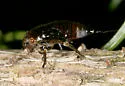
The fungus, Entomorphora aphrophora and high temperatures during the nymph stage can cause heavy mortality. Reducing oviposition sites by opening up closed stands and pruning dead and dying limbs controls this insect.
Classification
- Kingdom
- Animalia
- Phylum
- Arthropoda
- Class
- Insecta
- Order
- Hemiptera (True Bugs, Cicadas, Hoppers, Aphids and Allies)
- Suborder
- Auchenorrhyncha
- Superfamily
- Cercopoidea
- Family
- Aphrophoridae (Aphrophorid Spittlebugs)
- Subfamily
- Aphrophorinae
- Tribe
- Aphrophorini
- Genus
- Aphrophora
Imported taxonomy record. Source availability varies; see the source references and editorial policy below.
Habitat and Range
Habitat
Conifer stands
Geographic Range
eastern Canada (NS‒MB) to Appalachian SC
Diet and Behavior
Diet: Adults prefer White spruce ( Picea glauca ) and Red spruce ( Picea rubens ) but also feed on Black spruce ( Ptcea mariana ) and Tamarack, or Eastern larch, ( Larix laricina ). A few specimens have also been taken on Jack pine ( Pinus banhsiana ), Balsam fir ( Abies balsarnea ), and Common ground juniper ( Juniperus communis ), but these are probably strays from spruce.
Life History
Eggs deposited in dead woody tissue or just under the bark of twigs during Jul‒Aug. In northern regions, these overwinter as eggs then hatch in May where the nymphs feed on the twigs, covering themselves with spittle. They change locations as they grow, forming new spittle masses. When mature they move to the main trunk then migrate to the needles to transform as adults. There is 1 generation per year.
Additional species information
Species notes from the sources
Etymology: Aphrophora parallella (Say 1824)
About True Bugs, Cicadas, Hoppers, Aphids and Allies: the wider group
Order-level background for Hemiptera, the group containing Aphrophora parallella. Species-specific details appear above.
Group overview
Hemiptera (true bugs) includes over 80,000 described species across cicadas, aphids, leafhoppers, shield bugs, and bed bugs. Aphids alone cost global agriculture an estimated $2.5 billion annually in crop losses.
Ecological role of the group
Many Hemiptera are essential food sources for birds and predatory insects. Cicadas provide massive nutrient pulses during emergence events - a single Brood X emergence can involve trillions of individuals across 15 states.
Economic and practical significance of the group
The brown marmorated stink bug (Halyomorpha halys) caused $37 million in apple crop losses in a single year in the U.S. Mid-Atlantic region. Bed bug infestations in the U.S. increased by 500% between 2001-2010, costing the hotel industry hundreds of millions annually.
Recorded sources for this group: USDA, EPA, University research. Imported estimates may describe particular regions or reporting periods.
Photos of Spruce Spittlebug (5)
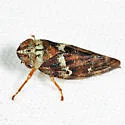
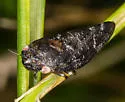
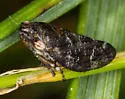
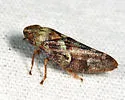
Photo credits: Contributed by Claude Pilon; Additional contributions by v belov , Marci Hess , antarctica
Frequently Asked Questions About Spruce Spittlebug
What is Spruce Spittlebug?
Spruce Spittlebug (Aphrophora parallella) is a species in the family Aphrophoridae, within the order Hemiptera.
How big is Spruce Spittlebug?
♂ 7.0‒9.4 mm, ♀ 8.0‒10.0 mm
Where is Spruce Spittlebug found?
| Feature | Details |
|---|---|
| Habitat | Conifer stands |
| Range | eastern Canada (NS‒MB) to Appalachian SC |
What does Spruce Spittlebug eat?
The diet of the Spruce Spittlebug includes Adults prefer White spruce ( Picea glauca ) and Red spruce ( Picea rubens ) but also feed on Black spruce ( Ptcea mariana ) and Tamarack, or Eastern larch, ( Larix laricina ). A few specimens have also been taken on Jack pine ( Pinus banhsiana ), Balsam fir ( Abies balsarnea ), and Common ground juniper ( Juniperus communis ), but these are probably strays from spruce..
What is the life cycle of a Spruce Spittlebug?
Eggs deposited in dead woody tissue or just under the bark of twigs during Jul‒Aug. In northern regions, these overwinter as eggs then hatch in May where the nymphs feed on the twigs, covering themselves with spittle. They change locations as they grow, forming new spittle masses. When mature they move to the main trunk then migrate to the needles to transform as adults. There is 1 generation per year.