Common Barklice
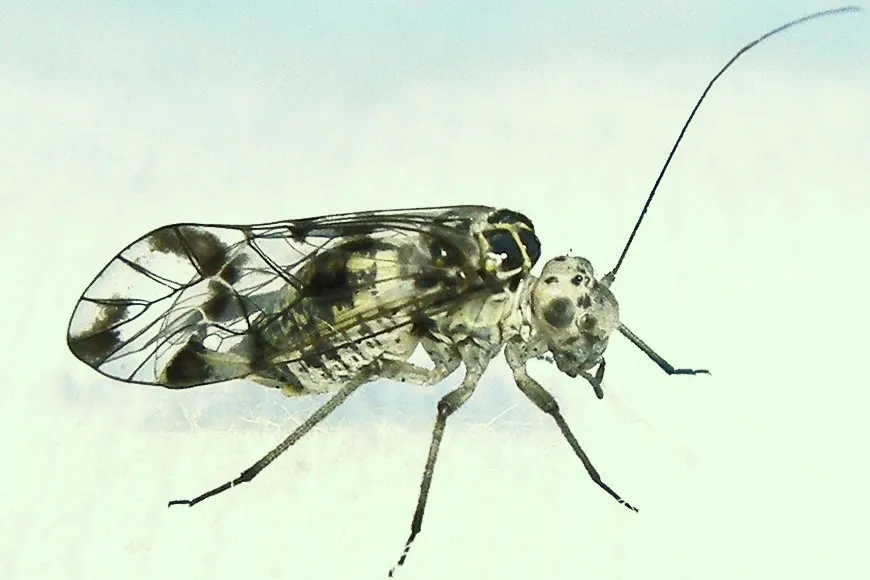
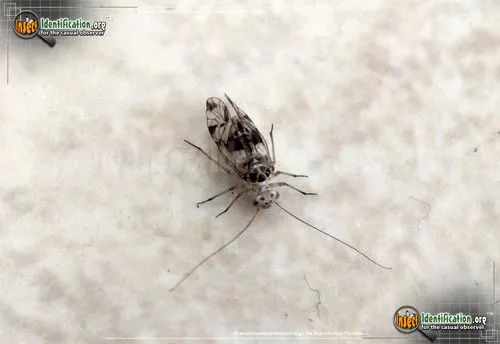
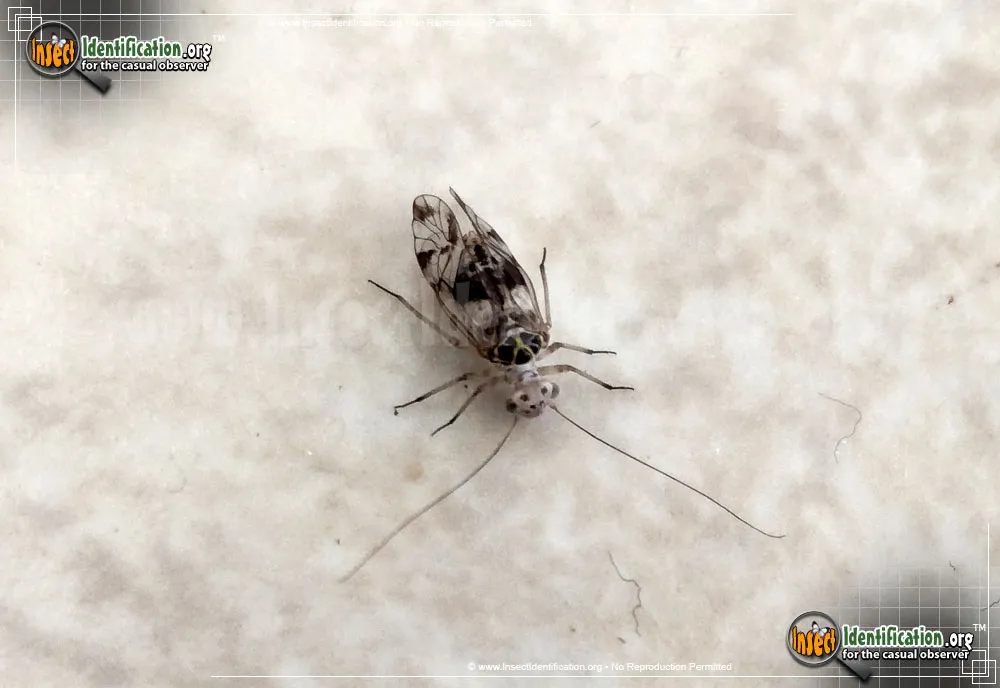
Metylophorus novaescotiae
This record describes Metylophorus novaescotiae (species). Recorded family: Psocidae. Recorded order: Psocodea.
Identification and Appearance
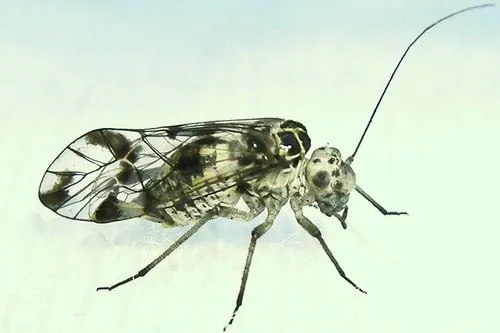
| Pattern and shape terms |
|
|---|---|
| Activity terms |
|
| Other recorded terms |
|
Terms from the source record, grouped for readability. Broad terms such as size or location are not measurements or a confirmed range.
Wikipedia reference for Metylophorus novaescotiae: http://en.wikipedia.org/wiki/Metylophorus_novaescotiae.
Classification
About Barklice, Booklice, and Parasitic Lice: the wider group
Order-level background for Psocodea, the group containing Metylophorus novaescotiae. Species-specific details appear above.
Group overview
Psocodea includes ~11,000 described species of booklice, barklice, and parasitic lice. Booklice (Psocoptera) are among the most common household insects, thriving in humid environments where they feed on mold and fungi.
Ecological role of the group
Barklice are important decomposers that feed on algae, lichens, and fungi on tree bark. They help recycle nutrients in forest ecosystems. Parasitic lice have co-evolved with their hosts for millions of years, providing insights into host evolutionary history.
Economic and practical significance of the group
Head lice (Pediculus humanus capitis) affect an estimated 6-12 million children aged 3-11 in the U.S. annually (CDC). The U.S. lice treatment market is valued at over $1 billion per year.
Recorded sources for this group: CDC, dermatology research, entomology textbooks. Imported estimates may describe particular regions or reporting periods.