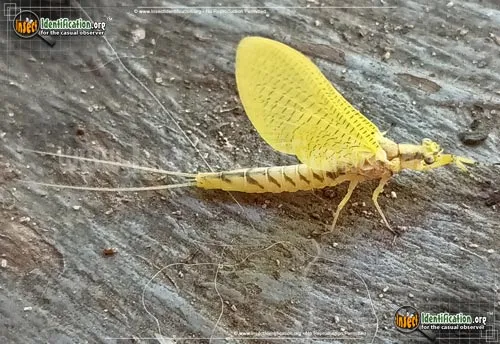
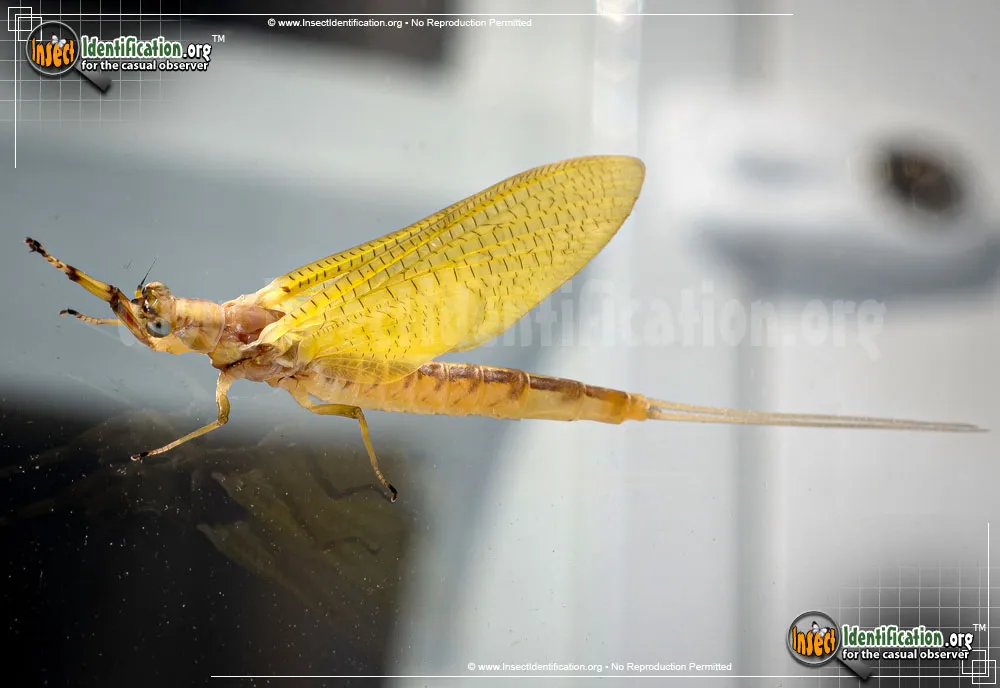
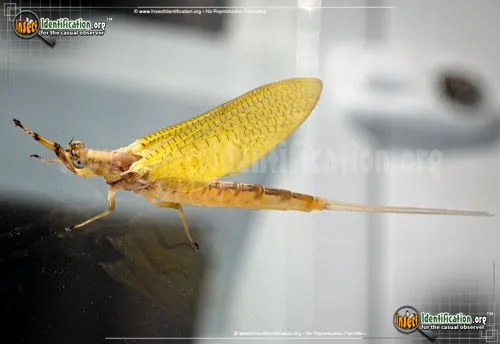
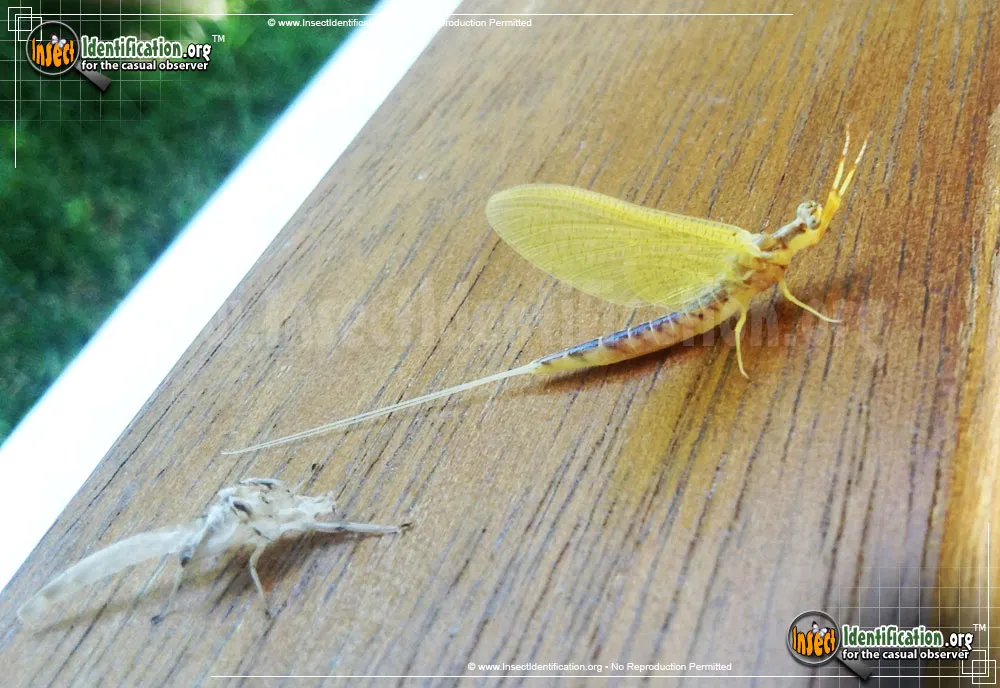
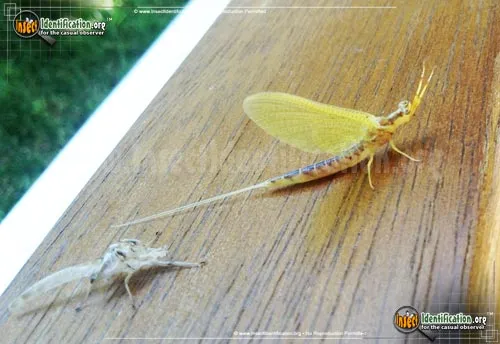
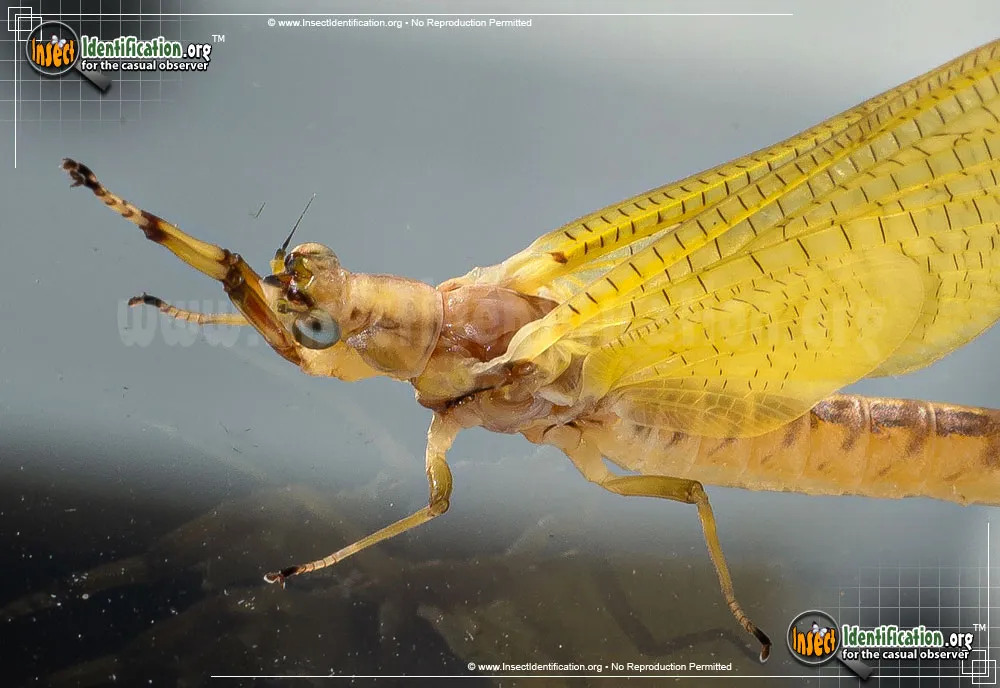
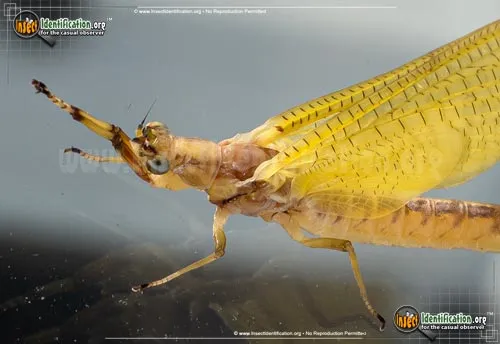
Burrower Mayfly
Hexagenia spp.
This record describes Hexagenia spp. (unresolved taxon). Recorded family: Ephemeridae. Recorded order: Ephemeroptera.
Identification and Appearance
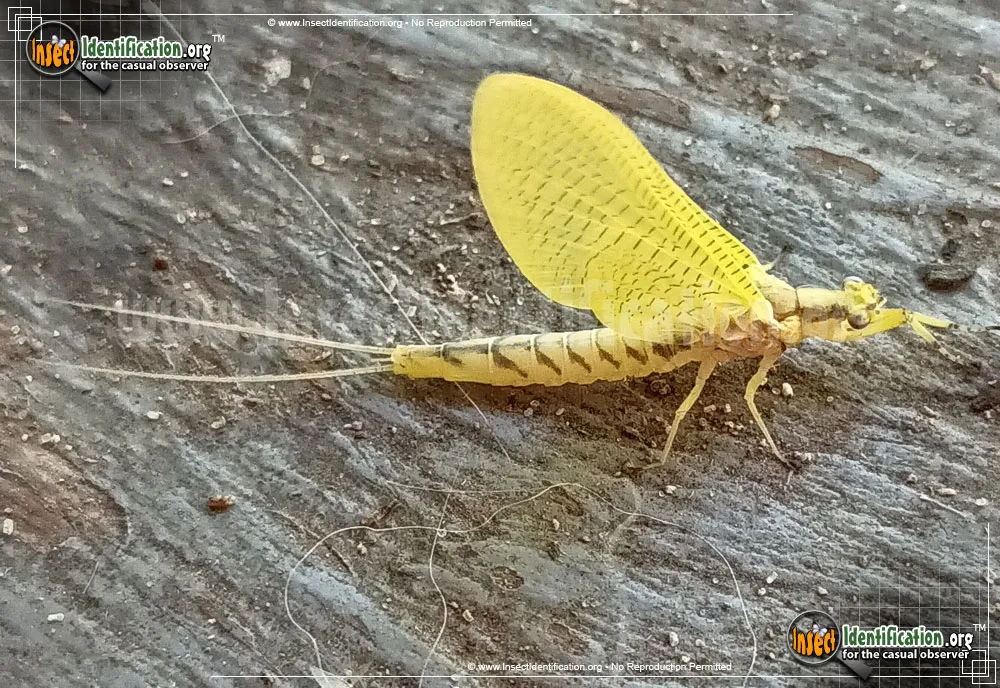
| Pattern and shape terms |
|
|---|---|
| Activity terms |
|
| Other recorded terms |
|
Terms from the source record, grouped for readability. Broad terms such as size or location are not measurements or a confirmed range.
Classification
- Kingdom
- Animalia
- Phylum
- Arthropoda
- Class
- Insecta
- Order
- Ephemeroptera
- Family
- Ephemeridae
- Genus
- Hexagenia
Imported taxonomy record. Source availability varies; see the source references and editorial policy below.
About Mayflies: the wider group
Order-level background for Ephemeroptera, the group containing Hexagenia spp.. Species-specific details appear above.
Group overview
Ephemeroptera (mayflies) includes ~3,500 described species. Adult mayflies are famous for their extraordinarily short lifespans - some species live as adults for only 5 minutes to 24 hours, the shortest adult lifespan of any insect.
Ecological role of the group
Mayfly nymphs spend 1-2 years developing in freshwater before emerging as adults. They are key bioindicators - their presence indicates clean, well-oxygenated water. They are also a primary food source for freshwater fish.
Economic and practical significance of the group
Mayfly hatches are so massive they appear on weather radar - a 2014 Mississippi River hatch near La Crosse, Wisconsin was tracked by the National Weather Service. Mass emergences can cause slippery road conditions and traffic hazards.
Recorded sources for this group: National Weather Service, EPA bioassessment protocols. Imported estimates may describe particular regions or reporting periods.