
Order Hygrophila
The Hygrophila (Order Hygrophila) includes 8 species across 4 families and 7 genera in our directory.
About Hygrophila
This is a smaller arthropod order with specialized ecological roles. Arthropods are the most diverse animal phylum, comprising over 80% of all known animal species with approximately 1.2 million described species globally.
Economic Impact
While this order has limited direct economic impact, arthropods collectively provide ecosystem services worth trillions of dollars annually through pollination, decomposition, pest control, and nutrient cycling.
Ecological Role
Members of this order contribute to broader arthropod ecosystem functions including decomposition, predation, and serving as food sources for vertebrates. Arthropod biodiversity is essential for ecosystem resilience.
Families in Hygrophila (4)
Species in Hygrophila (8)
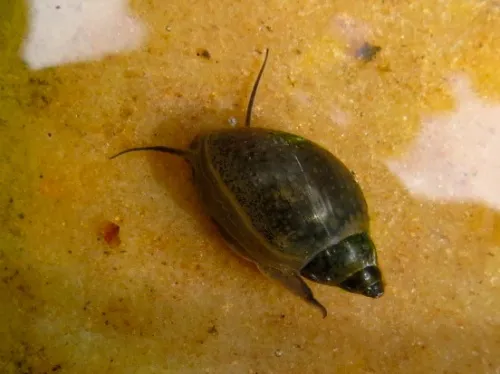
Common Bladder Snail
Physa fontinalis
Height: 7 to 12 mm. Breadth: 4 to 7 mm. Sinistral (coils to the left so the mouth is on the left). The shell is thin and fragile, glossy and transparent, and a pale horn colour. It is more or less oval in outline, and is formed of 4 - 5 swollen whorl
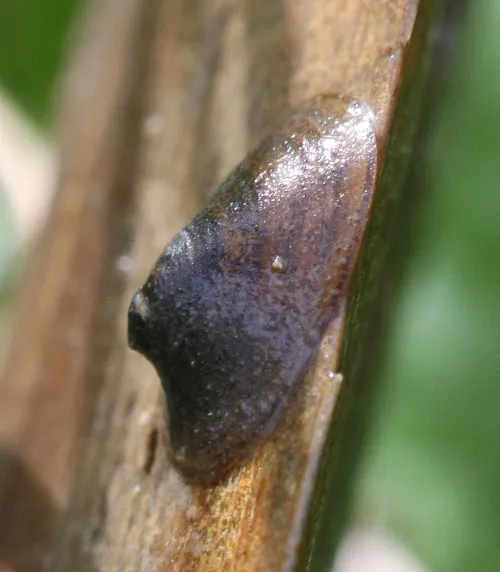
Lake Limpet
Acroloxus lacustris
A small limpet like snail with a hood shaped shell. Widespread and fairly frequent in Britain except in the far north. No additional images available for this species.
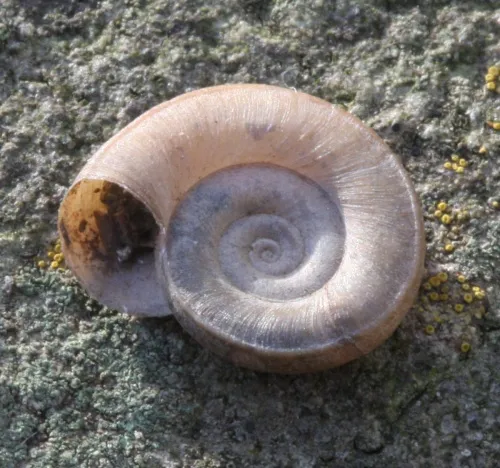
Margined Ramshorn
Planorbis planorbis
Shell size: 9-18mm, height: 2.5-4 mm. A rather thick and strong shell. It is not glossy and it has a paler keel towards the periphery, past the mid-line but not right at the edge. There are 5 or 6 whorls which increase regularly in size. The mouth ma
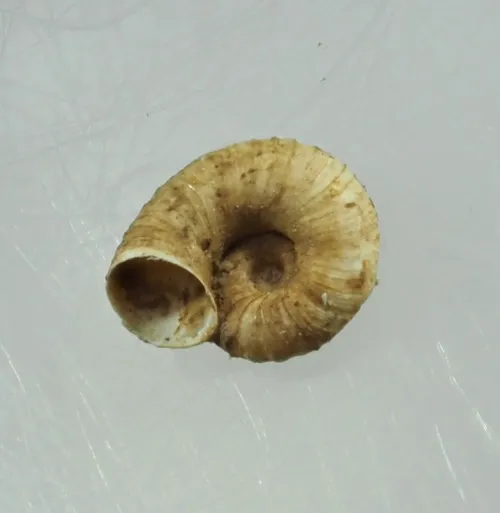
Nautilus Ramshorn
Gyraulus crista
2-3.5mm. This small ramshorn snail is often overlooked due to its small size. It has rapidly expanding whorls and and oval mouth aperture. The shell can have strong, curved radial ridges but these are variable so not always very obvious. From the und
Radix labiata
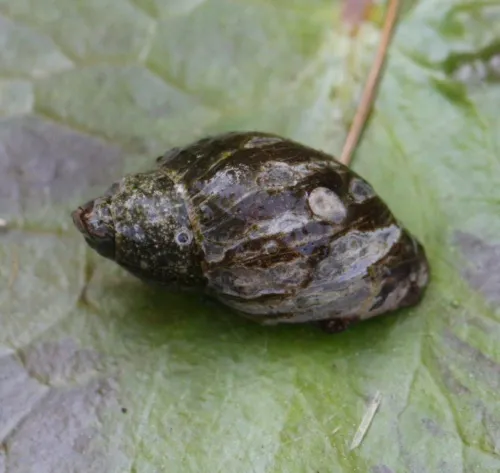
Radix labiata
c15mm. This is not a native British species but appears to have been introduced into the pond at Belgrave Hall. It is a large and stocky snail, not as pointed as Lymnaea stagnalis and without the large mouth of Radix balthica. It displays the triangl
River Limpet
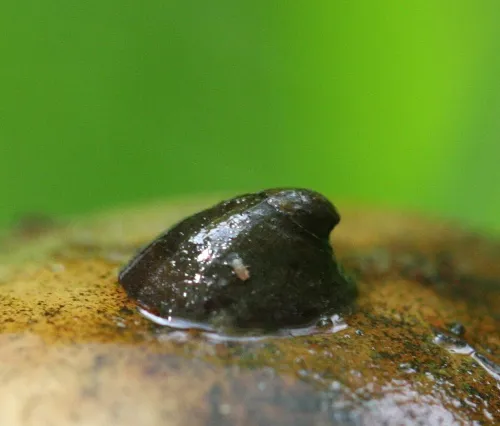
Ancylus fluviatilis
3-8mm. Ancylus fluviatilis is a species of very small, freshwater, air-breathing limpet, the shell has a conical, backwardly directed apex. Oval to round. It is fairly dull brown to black in colour and shows fine growth lines. The Lake Limpet, A. lac
Twisted Ramshorn
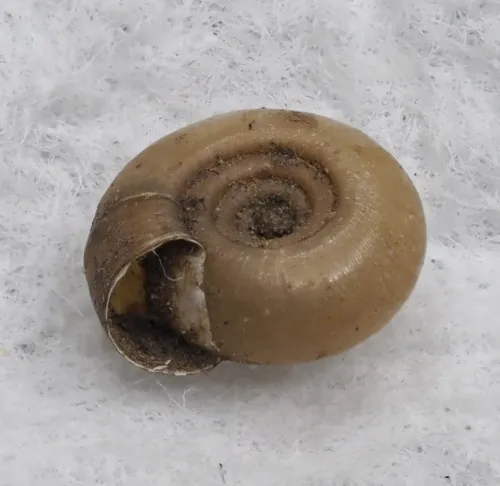
Bathyomphalus contortus
Up to 6mm and 2mm thick with numerous tight whorls and an crescent-shaped aperture which partly wraps around the last whorl. It is noticeable concave on one side and more or less flat on the other. The shell has a rounded edge profile and has radial
White Ramshorn
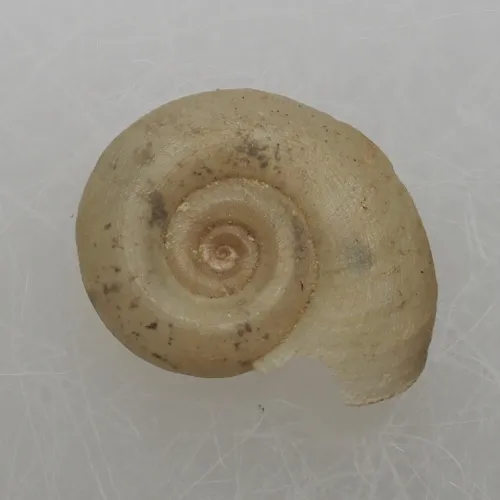
Gyraulus albus
4-7mm diameter. This small ramshorn snail has a strong, white, chalky shell with spiral , as well as radial, striations.The round mouth bends away from the main whorls at an obtuse angle. Found in both rivers and larger reservoirs, sometimes in small