
THE INSECTLIBRARY FIELD GUIDES
Sphinx MothIdentification, facts & practical guidance
Sphinx moths, or hawk moths, belong to Sphingidae. Many are strong fliers with streamlined bodies and narrow forewings.
Compiled by the InsectLibrary Team · Updated · Editorial policy
Identification and lookalikes
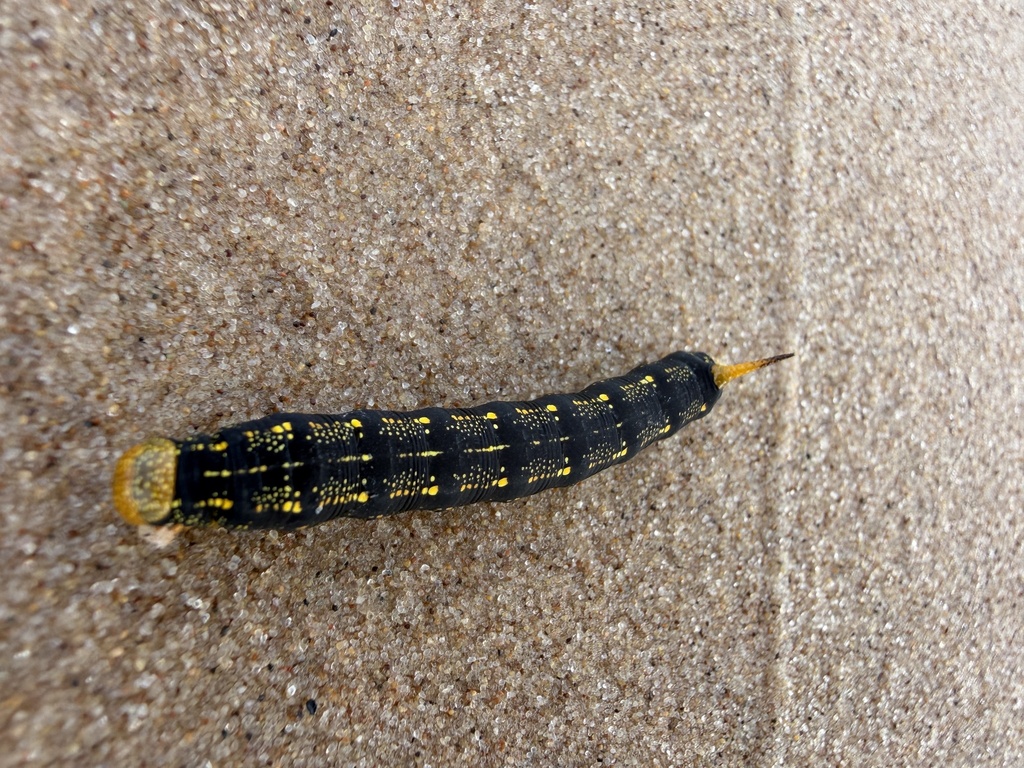
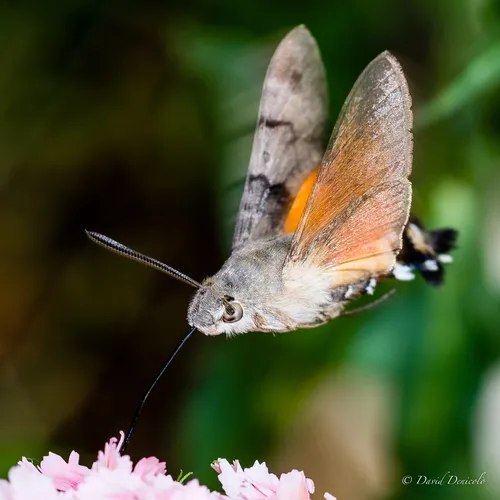
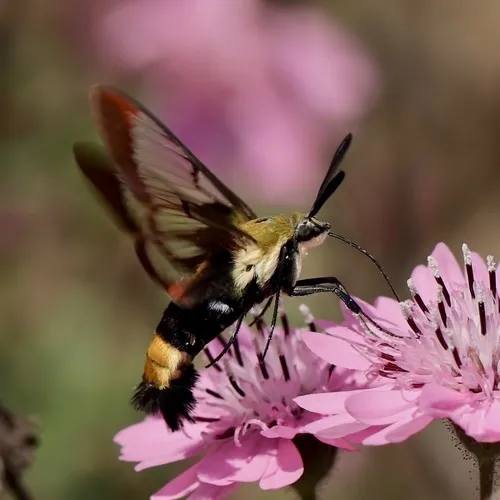
Some hover at flowers and resemble hummingbirds. Many larvae are called hornworms because of a projection near the rear, but not every species or larval stage has an obvious horn.
Adults and caterpillars eat different foods
Many adults take nectar; caterpillars eat host plants that depend on the species. A tomato hornworm’s food plants should not be assigned to every sphinx moth.
What to do next
For an adult, record wing shape and feeding behavior. For a caterpillar, photograph its side markings and the plant. Identify the species before deciding whether plant damage needs attention.
Sphinx Moth: species profiles
Explore 132 species profiles covered by this guide, with recorded names and available photos.
White-lined Sphinx Moth
Hyles lineata
no rights reservedHumming-bird Hawk-moth
Macroglossum stellatarum
Snowberry Clearwing Moth
Hemaris diffinis
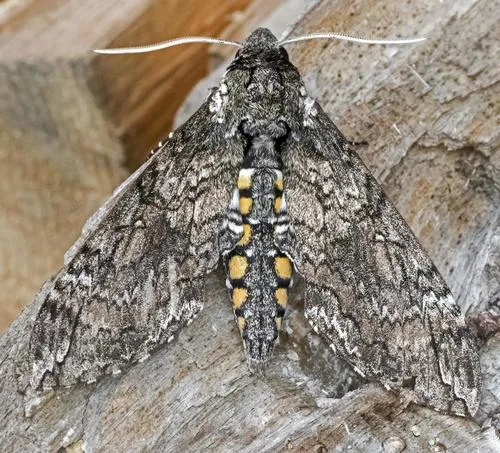
Tobacco Hornworm Moth
Manduca sexta
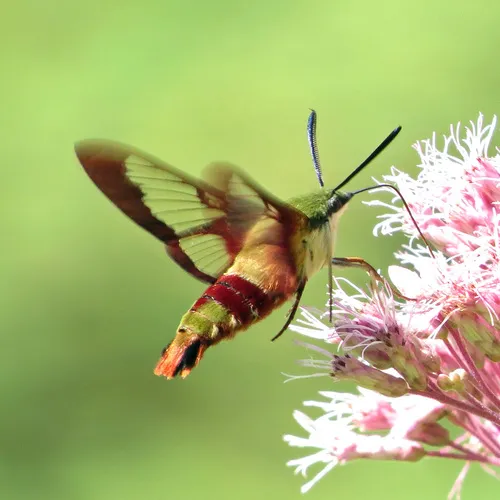
Hummingbird Clearwing
Hemaris thysbe
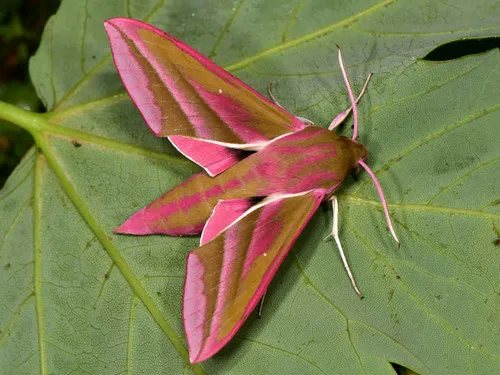
Elephant Hawk Moth
Deilephila elpenor
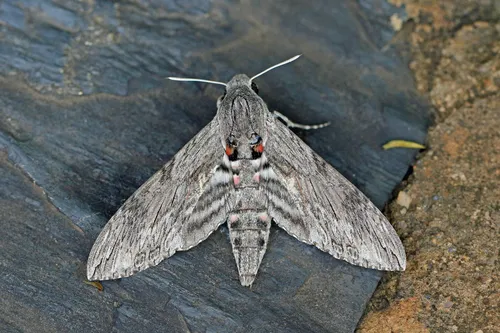
Convolvulus Hawk-moth
Agrius convolvuli
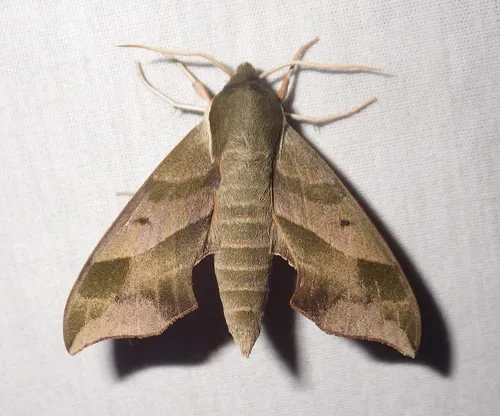
Virginia Creeper Sphinx
Darapsa myron
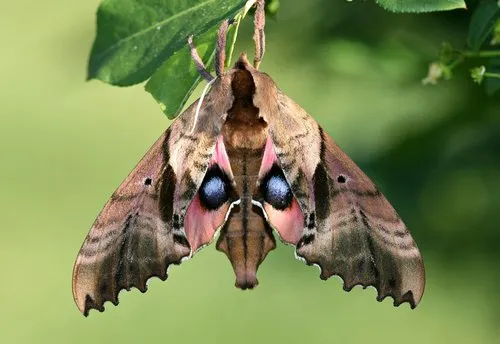
Blinded Sphinx Moth
Paonias excaecata
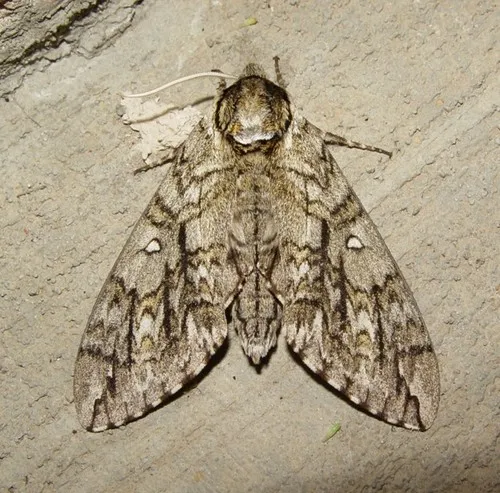
Waved Sphinx Moth
Ceratomia undulosa
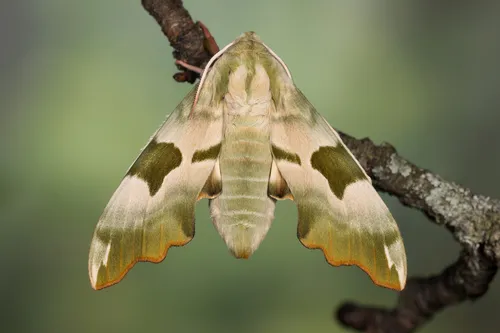
Lime Hawk-moth
Mimas tiliae
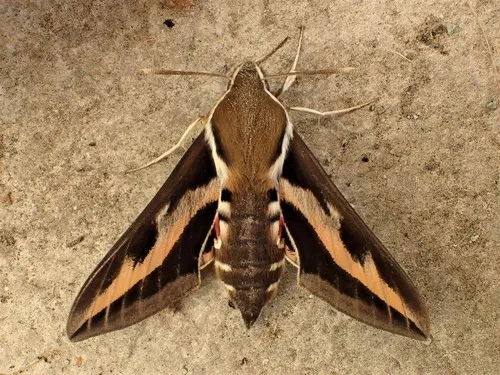
Galium Sphinx Moth
Hyles gallii
Showing 12 of 132 species. Browse all in Lepidoptera →
Sources and further reading
- mdc.mo.gov - sphinx moths hawk mothshttps://mdc.mo.gov/discover-nature/field-guide/sphinx-moths-hawk-moths
References support the subject discussed here; they do not certify every imported directory record. Regional sources describe their own locations. Read our source and correction policy.